Best Boxing Gyms in California
The top-rated boxing gyms in California, ranked by rating and review count. Click any gym to view full details, contact info, and specialties.
Jose Morales Boxing Academy (Roseville)
5.0 stars (719 reviews)
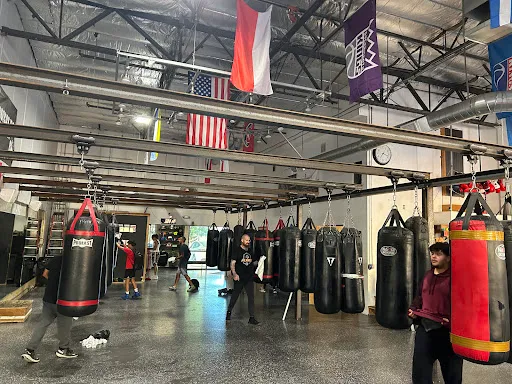
Jose Morales Boxing Academy centers its identity on traditional boxing fundamentals built through repetition, discipline, and steady progression. The gym keeps its structure simple: footwork, defense, timing, conditioning, and controlled sparring. Training avoids unnecessary complexity and focuses on the core mechanics that carry over into both competition and fitness-based boxing.
Coaching at the gym emphasizes direct instruction. Sessions usually begin with jump rope and shadowboxing, followed by technical drilling on mitts and heavy bags. Coaches correct stance width, shoulder positioning, and punch alignment in real time. The pacing is steady, with attention placed on refining movement rather than rushing combinations. Beginners learn jab mechanics, guard discipline, and basic defensive reactions before moving into layered combinations.
Advanced boxers spend more time on ring craft. That includes distance control, counterpunch timing, and structured sparring rounds designed to simulate fight conditions. Sparring is typically controlled, with clear instruction before each round about specific objectives such as body-shot openings or defensive exits after combinations. Conditioning work runs alongside skill training, often using intervals on the bag, sled pushes, and calisthenics.
The environment reflects a strong community presence. Many members train for fitness rather than competition, but both groups share the same floor. This creates a mix of recreational consistency and competitive intensity without splitting the culture. Regular attendees develop familiarity with each other's pace and style, which helps sharpen reaction time during drills and sparring.
Youth training is a visible part of the program. Younger boxers are introduced to stance discipline, coordination drills, and controlled partner work. Coaches keep sessions structured and focused on safety while still maintaining challenge. Over time, these athletes transition into more advanced technical and sparring work if they continue.
Equipment is straightforward: multiple heavy bags, double-end bags, speed bags, and a small ring space for sparring and technical rounds. The layout supports constant rotation, so classes rarely stall around a single station. Athletes move between stations in timed intervals, maintaining rhythm and conditioning.
The coaching tone is firm but steady. Instructions are given in short corrections rather than long explanations, which keeps training pace high. Mistakes are corrected immediately, especially in foot placement and defensive gaps. The expectation is consistent attendance and gradual improvement rather than quick results.
This gym suits people who want structured boxing without distractions from unrelated training styles. The focus stays on traditional boxing mechanics from entry level through competitive preparation.
TITLE Boxing Club Ice Blocks (Sacramento)
5.0 stars (614 reviews)

TITLE Boxing Club Ice Blocks runs on a structured boxing-fitness model built around timed rounds, high repetition, and full-body conditioning wrapped into boxing technique. The format is consistent across sessions, which makes it easy for beginners to follow while still demanding enough for experienced members to push intensity.
Classes are organized around rounds that mirror boxing matches. Expect sequences like three-minute bag rounds followed by one-minute rest periods, then rotations into core work or bodyweight circuits. The rhythm keeps the entire class moving at a steady pace, with no long pauses or downtime. The structure builds endurance first, then layers in technique through repetition rather than extended instruction.
A typical session starts with a short warm-up focused on mobility and activation. Jump rope, dynamic stretches, and light shadowboxing prepare shoulders, hips, and calves for continuous movement. From there, the coach introduces punch combinations that carry through the class. Basic sets like jab-cross, jab-cross-hook, and body-head variations form the base. These combinations repeat across bag rounds so members can refine timing and coordination under fatigue.
The heavy bags form the core of the training floor. Each station is assigned during class, and participants rotate through a circuit that includes bag work, floor exercises, and sometimes mitt drills with the coach. Bag rounds emphasize pace control and clean form. Early rounds focus on learning the combination pattern. Later rounds increase speed, resistance, and output.
Technique coaching is present but concise. Instructors correct stance alignment, guard position, and punch return. The emphasis stays on consistency rather than detailed breakdowns. If a jab drops low or a shoulder opens too wide, corrections are immediate and simple. The goal is repetition under guidance, not extended technical lectures.
Conditioning work is tightly integrated. Between bag rounds, participants move into core circuits like sit-ups, plank variations, mountain climbers, or medicine ball slams. This keeps heart rate elevated throughout the entire class. The structure mirrors fight conditioning more than traditional gym workouts, even for members who have no interest in sparring.
The gym attracts a mixed group: beginners looking for structured fitness, former athletes returning to boxing-based training, and regular members focused on consistency rather than competition. The atmosphere stays group-driven, with music and instructor pacing setting the tone. Individual performance is secondary to keeping the class synchronized and active.
Unlike traditional boxing gyms, sparring is not a central component. Progress is measured through endurance gains, cleaner combinations, and increased punching output over time. Members track improvement by how long they can maintain pace and technique under fatigue rather than competitive outcomes.
Equipment is standardized across stations: heavy bags, speed bags in some layouts, floor space for circuits, and occasional mitt stations. The design supports group flow, ensuring no bottlenecks during rotations.
This gym suits people who want boxing-style training with a fitness-first structure, predictable class design, and high-volume conditioning built into every session.
5.0 stars (327 reviews)
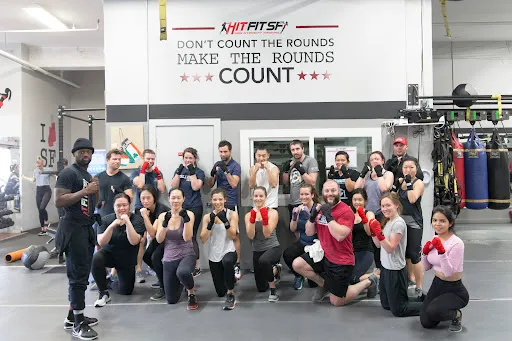
Hit Fit SF blends traditional boxing instruction with fitness-driven training, built around clean fundamentals and high-repetition striking work. The gym sits in a middle ground between technical boxing development and conditioning-focused classes, giving members a path that can stay recreational or shift toward more serious skill progression over time.
Training sessions typically follow a structured arc: warm-up, skill introduction, bag or pad rounds, then conditioning finishers. The warm-up prioritizes joint readiness and foot activation. Expect jump rope, lateral movement drills, and shadowboxing with emphasis on stance control. Coaches look for balance first—weight distribution, guard position, and consistent return to stance after every combination.
Once the body is prepared, instruction shifts toward combinations. Hit Fit SF uses repeatable sequences that build across rounds rather than constantly changing patterns. A class might begin with jab-cross mechanics, then expand into jab-cross-hook, followed by body-head transitions and defensive exits. The repetition is intentional, designed to reduce hesitation and improve rhythm under fatigue.
Heavy bag work forms the core of most sessions. Members rotate through timed rounds, usually three minutes of work followed by short recovery. Early rounds focus on form: straight punches, controlled rotation, and clean resets. Later rounds increase pace, adding volume and power conditioning. Coaches circulate continuously, correcting stance collapse, overreaching, and dropped guards.
Mitt work appears in smaller groups or partner rotations. This portion is more technical, with real-time adjustments to distance, timing, and counter movement. Trainers may pause combinations to adjust foot positioning or angle changes, especially when students struggle with balance after punching exchanges. These moments create a bridge between fitness boxing and traditional boxing mechanics.
Conditioning is embedded between striking rounds. Floor circuits often include core work, explosive movements, and bodyweight strength exercises. Expect planks, medicine ball strikes, squat variations, and short sprint intervals. The structure keeps heart rate elevated while reinforcing fight-style endurance rather than isolated strength output.
The gym's culture reflects San Francisco's mixed training population. Some members attend for structured fitness sessions several times a week, treating boxing as their primary workout system. Others come from martial arts or athletic backgrounds and use the gym to sharpen striking mechanics without committing to full competition training. The environment stays focused but not rigid, with group energy driving pace.
Coaching style is direct and practical. Instructions are short, often focused on one correction at a time—chin position, shoulder alignment, or hip rotation. The goal is steady improvement across repeated exposure rather than immediate technical overhaul. Members are encouraged to refine small details over time instead of chasing perfect form in a single session.
Equipment layout supports continuous flow: multiple heavy bags arranged for class rotation, open floor space for conditioning, and designated areas for mitt work. This prevents congestion and keeps group classes moving without interruption.
Hit Fit SF suits people who want boxing-based training that balances technique and conditioning without requiring sparring or competitive commitment.
THE STUDIO Martial Arts and Fitness (Roseville)
5.0 stars (261 reviews)
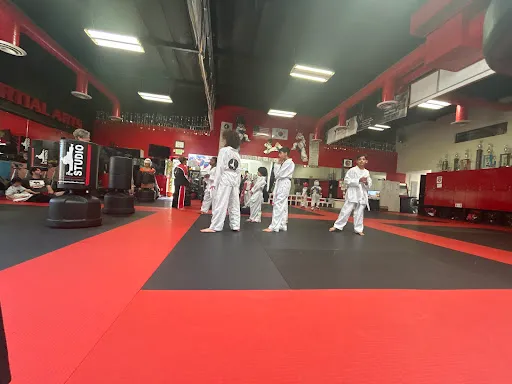
THE STUDIO Martial Arts and Fitness combines boxing with a wider combat sports system that includes MMA, kickboxing, and structured pro training pathways. The gym is built for athletes who want cross-discipline development rather than a single-style focus, with boxing acting as one of several core striking pillars.
Training here shifts depending on class type, but boxing fundamentals remain central across most striking sessions. A typical boxing-focused class begins with warm-ups that blend mobility drills and footwork patterns. Expect ladder drills, shadowboxing with directional movement, and light defensive slips to activate reaction timing. Coaches emphasize posture control early, especially keeping the chin tucked and maintaining balance during directional changes.
Technical instruction is more layered than pure fitness boxing gyms. Coaches break down combinations beyond basic jab-cross sequences, introducing angle changes, counter entries, and layered attacks. A common progression might move from jab-cross to jab-cross-hook, then into defensive resets like pivoting off the lead foot or rolling under return punches. Students are encouraged to think about entry and exit rather than only punch output.
Mitt work plays a major role. Trainers use pad sessions to simulate real exchanges, calling for timed counters, defensive reactions, and positional awareness. These rounds often shift quickly between offense and defense, forcing students to adjust rhythm mid-combination. Distance control becomes a constant focus, especially when transitioning between boxing and kickboxing mechanics.
Sparring is available for those in advanced or competitive tracks. It is typically structured with specific objectives, not open exchanges. One round might focus only on jab timing, another on defensive movement after combinations, and another on controlled pressure fighting. Coaches closely monitor intensity, stepping in when technique breaks down or exchanges become unfocused.
Conditioning is integrated into almost every class. Strength circuits include kettlebell work, explosive bodyweight movements, sled pushes, and core stabilization exercises. Unlike gyms that separate strength and skill, THE STUDIO blends both into a single training flow. This keeps fatigue present during technical work, closer to fight conditions where precision must hold under stress.
The MMA influence is noticeable in how boxing is taught. Fighters are trained to think about range transitions—when boxing range shifts into clinch range or kick range. Even in boxing-only classes, coaches reference defensive positioning that applies across disciplines. This creates more adaptable strikers who can adjust in mixed-rule environments.
The community includes hobbyists, amateur competitors, and professional-level athletes. Beginners train alongside advanced students, but classes are structured so intensity scales by experience level. New members are guided through simplified versions of drills, while advanced athletes add speed, resistance, and tactical complexity.
Equipment includes heavy bags, double-end bags, a cage or ring space depending on class type, and full conditioning stations. The layout supports multiple training formats running simultaneously without disrupting flow.
THE STUDIO suits people who want boxing that connects directly to broader combat sports, with clear pathways into MMA, kickboxing, or competitive striking.
Bomber Squad Academy | San Diego's Best Boxing, Muay Thai, and Strength & Conditioning (El Cajon)
5.0 stars (220 reviews)
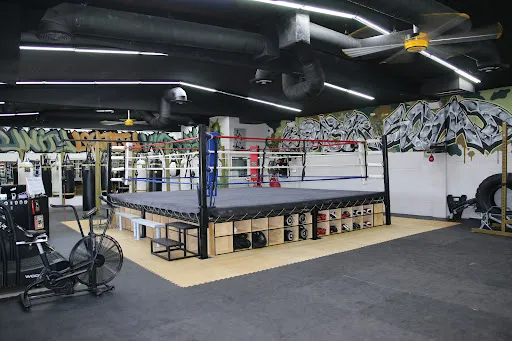
Bomber Squad Academy operates as a full combat sports facility where boxing sits alongside Muay Thai, MMA, kickboxing, and structured strength work. The gym is built for progression across striking styles, with training pathways that support beginners, amateurs, and fighters preparing for competition.
Sessions are organized around discipline-specific classes, though boxing fundamentals appear across nearly all striking work. A boxing-focused block starts with conditioning warm-ups that blend rope work, dynamic stretching, and footwork drills. Coaches push rhythm early, using constant movement to establish balance under light fatigue.
Technical boxing instruction focuses on layered striking rather than isolated punches. A common structure starts with jab control, then expands into combinations that build angles and force defensive reactions. Boxers are taught to step off centerline after exchanges, re-enter at new angles, and reset positioning instead of standing directly in front of a target. Defense is taught alongside offense from the start rather than as a separate phase.
Mitt work is intense and reactive. Coaches call combinations that shift mid-round, forcing fighters to adapt quickly. A session might start with basic one-two patterns, then evolve into counter-punching drills, followed by defensive responses like slips, checks, or pivots. The goal is controlled chaos—maintaining structure while reacting to unpredictable inputs.
Muay Thai and MMA influence changes how boxing is applied. Fighters are trained to recognize range transitions: boxing range, kick range, and clinch range. Even during boxing rounds, stance adjustments account for potential kicks or takedown entries. This creates more defensive awareness and less static foot positioning.
Sparring is structured and tiered. Beginners focus on controlled technical rounds with limited targets or intensity caps. Advanced athletes rotate through scenario-based sparring, such as pressure rounds, defensive survival rounds, or counter-striking-only exchanges. Coaches actively intervene to reset pacing or correct patterns when exchanges drift into uncontrolled brawling.
Conditioning is a major component of the training system. Sessions often include circuit stations with sled pushes, kettlebell swings, medicine ball slams, and sprint intervals. These are paired with striking rounds so fatigue becomes part of technical development. The expectation is that form holds even when output drops late in rounds.
The gym culture is competitive but structured. Members often have goals tied to amateur fights or cross-discipline competition, but recreational trainees are still integrated into the same environment. This creates a steady training atmosphere where intensity varies by individual but structure remains consistent.
Facilities include multiple heavy bag zones, a ring or cage area depending on class setup, and open mat space for conditioning circuits. Equipment rotation is frequent to keep class flow continuous and avoid bottlenecks.
Bomber Squad Academy suits people who want boxing embedded in a wider combat sports system, with clear progression into Muay Thai, MMA, or competitive fighting.
C & F Boxing LLC (San Bernardino)
5.0 stars (170 reviews)

C & F Boxing LLC is a traditional boxing-focused gym built around repetition, discipline, and straightforward skill development. The structure stays close to classic amateur boxing environments: controlled instruction, consistent conditioning, and steady technical progression without branching into multiple combat styles.
Training begins with a predictable rhythm. Warm-ups center on jump rope, shadowboxing, and basic mobility work for shoulders, hips, and ankles. Footwork is emphasized early, especially maintaining balance while moving forward, backward, and laterally without crossing stance. Coaches often stop movement quickly if posture breaks down, reinforcing upright structure and controlled weight transfer.
The core of the gym revolves around fundamental boxing mechanics. Sessions build from jab development into layered combinations like jab-cross, jab-cross-hook, and body-head transitions. Each combination is repeated across rounds until movement becomes automatic under fatigue. Coaches focus heavily on punch return—hands coming back to guard position after every strike, minimizing openings.
Heavy bag work is a central training tool. Fighters rotate through timed rounds, usually structured in three-minute intervals. Early rounds emphasize clean technique: straight punches, controlled rotation, and stable footing. Later rounds shift toward volume, with pressure placed on maintaining form while increasing pace. Coaches watch for common breakdowns such as overreaching, dropping the rear hand, or losing balance after hooks.
Mitt work sessions provide more direct correction. Trainers guide fighters through combinations while adjusting timing and distance in real time. Unlike bag work, mitt sessions require immediate adaptation. If a punch lands short or stance becomes too narrow, corrections are made instantly. These rounds often include defensive elements like slips after combinations or pivot exits following hooks.
Sparring is structured and purpose-driven. Beginners typically start with light technical rounds where contact is controlled and specific objectives are assigned. Examples include only using jabs, focusing on defensive movement after each exchange, or practicing ring positioning. Advanced boxers move into more open sparring but still operate under clear coaching direction to prevent uncontrolled exchanges.
Conditioning is integrated but not overly complex. Expect bodyweight circuits, core work, and short burst conditioning between boxing rounds. Exercises like push-ups, sit-ups, burpees, and medicine ball strikes are common. The goal is sustained output across rounds rather than isolated strength development. Fatigue is treated as part of technical training rather than a separate phase.
The gym environment reflects a community boxing club structure. Members often know each other by name, and training partners rotate regularly during drills. There is a strong mix of youth development and adult training, with younger boxers learning alongside amateur and fitness-focused adults. Coaches maintain tight oversight, especially during sparring and partner drills.
Equipment is functional and direct: multiple heavy bags, speed bags, a small ring space, and open floor areas for conditioning circuits. The layout supports constant movement between stations, keeping classes active without long pauses or downtime.
C & F Boxing LLC suits people who want boxing in its most straightforward form—structured fundamentals, consistent repetition, and steady progression toward either fitness or amateur-level competition.
Supreme Boxer Boxing Club (Lake Elsinore)
5.0 stars (170 reviews)

Supreme Boxer Boxing Club is a traditional boxing gym centered on structured fundamentals, consistent repetition, and steady athlete development. The focus stays on building clean boxing mechanics first, then layering conditioning and controlled sparring as fighters progress.
Training sessions follow a classic boxing structure. Warm-ups start with jump rope and shadowboxing, both used to establish rhythm, foot coordination, and stance awareness. Fighters are expected to stay balanced while moving in all directions without crossing their feet or breaking guard structure. Coaches correct posture early and often, especially during movement transitions.
The technical core of the gym is built around repetition of basic boxing mechanics. Sessions begin with jab-focused work, then expand into combinations like jab-cross, jab-cross-hook, and body-shot sequences. Each combination is drilled across multiple rounds until movement becomes automatic. The emphasis is on consistency—clean punches, controlled exits, and immediate return to defensive position after every exchange.
Heavy bag work is a central part of training. Fighters rotate through timed rounds designed to build both endurance and technique. Early rounds focus on precision: straight punches, controlled rotation, and stable stance recovery. As rounds progress, intensity increases, requiring fighters to maintain form under fatigue while increasing output. Coaches frequently intervene to correct overextension, dropped hands, or loss of balance after combinations.
Mitt training provides more direct technical refinement. Coaches guide fighters through structured combinations while adjusting timing and distance in real time. These rounds often include defensive reactions such as slips, pivots, and rolls after punch sequences. The goal is to train decision-making under pressure, not just repetition of set patterns.
Sparring is introduced in a controlled progression. Beginners participate in light technical rounds where contact is limited and focus is placed on specific goals such as jab timing or defensive movement. More advanced fighters engage in structured sparring with defined objectives, such as pressure fighting, counter-punching, or ring control. Coaches actively monitor rounds to maintain safety and technical focus.
Conditioning is consistent but closely tied to boxing performance. Training includes bodyweight circuits, core strengthening, and short burst conditioning rounds. Exercises like push-ups, sit-ups, burpees, and medicine ball strikes are common. These are integrated between boxing rounds to simulate fatigue conditions similar to later stages of a fight.
The gym environment is straightforward and community-driven. Many members train for fitness, while others pursue amateur boxing development. Training partners rotate frequently, and coaches maintain consistent standards across all levels. The atmosphere stays focused, with minimal distractions during training sessions.
Equipment includes multiple heavy bags, speed bags, a small ring, and open floor space for drills and conditioning circuits. The layout supports continuous class flow without bottlenecks or downtime.
Supreme Boxer Boxing Club suits people who want traditional boxing training with clear structure, steady progression, and a strong emphasis on fundamentals.
5.0 stars (137 reviews)
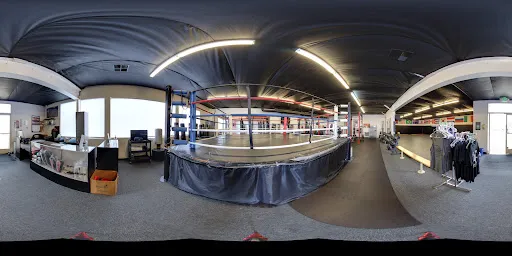
Bay Area Boxing operates as a structured combat sports facility that blends boxing with Muay Thai, MMA, kickboxing, and strength training. The gym leans toward skill development rather than pure fitness circuits, giving members a pathway from beginner fundamentals to competitive striking across multiple disciplines.
Training sessions are organized around clear class types, with boxing forming the technical base for most striking programs. A standard boxing class starts with mobility work and jump rope to establish rhythm and coordination. From there, coaches move into shadowboxing sequences that emphasize stance control, guard discipline, and foot positioning. Movement quality matters early—fighters are expected to stay balanced while shifting direction and maintaining defensive readiness.
Combination work builds progressively across rounds. Early instruction focuses on clean basics like jab-cross mechanics and straight-line movement. As rounds continue, combinations expand into layered sequences that include hooks, body shots, and defensive exits. Coaches emphasize not just throwing punches but resetting position after every exchange to avoid staying in the pocket too long.
Mitt work is a core part of the training structure. Coaches actively guide fighters through timed combinations that include offense, defense, and movement transitions. A single round might shift from jab timing drills into counter-punching sequences and then into defensive reactions like slips or pivots. This keeps athletes thinking under pressure rather than repeating fixed patterns.
Sparring is available and structured across levels. Beginners usually start with technical sparring focused on light contact and specific objectives such as jab-only rounds or defensive movement constraints. Advanced athletes transition into more open rounds where ring control, pressure fighting, and counter-striking are tested under controlled supervision. Coaches frequently pause rounds to adjust pacing or correct technical breakdowns.
The Muay Thai and MMA influence changes how boxing is taught. Even in boxing-focused sessions, fighters are encouraged to understand range transitions and defensive positioning that applies beyond punches. This includes awareness of kicks, clinch entries, and angle changes that affect boxing exchanges. The result is a more adaptable striking style that is not limited to pure boxing rules.
Conditioning is integrated into most classes rather than separated into standalone workouts. Expect circuits involving kettlebell swings, sled pushes, core work, and sprint intervals. These are placed between striking rounds so fatigue becomes part of technical development. The goal is to maintain form and decision-making even when output drops late in training.
The gym culture reflects a mixed community of hobbyists, fitness-focused members, and competitive fighters. Training partners rotate frequently, and class structure allows different experience levels to coexist in the same session. The atmosphere stays focused, with a steady emphasis on discipline and consistency rather than casual workout pacing.
Facilities include heavy bag stations, open mat space, and a cage or ring area depending on class format. This supports multiple disciplines running side by side without interrupting flow.
Bay Area Boxing suits people who want boxing training grounded in fundamentals but connected to broader combat sports development and competitive pathways.
Blue Lion Muay Thai (Elk Grove)
5.0 stars (124 reviews)
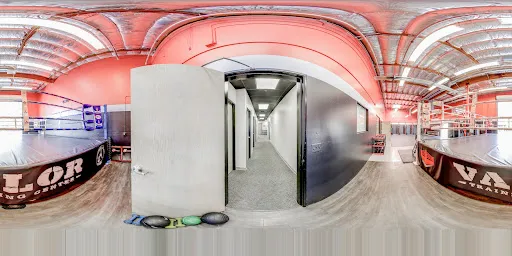
Blue Lion Muay Thai is a striking-focused gym centered on Muay Thai, with boxing used as a foundational tool for hand fighting, range control, and combinations. The training style prioritizes clean technique, structured repetition, and controlled progression across striking ranges rather than boxing alone.
Training sessions typically begin with a high-tempo warm-up built around skipping rope, shadowboxing, and mobility drills. The early focus is rhythm and balance—staying light on the feet while maintaining a stable guard. Coaches watch stance alignment closely, especially how fighters manage weight distribution during forward pressure and lateral movement.
Boxing work inside the gym is integrated into a wider Muay Thai system. Hand combinations are taught alongside kicks, knees, and clinch entries. A typical sequence might start with jab-cross mechanics, then transition into boxing-to-kick setups such as jab-cross-low kick or cross-hook-body kick. The goal is not isolated punching but linking hands and kicks into continuous offensive chains.
Pad work is a central part of training. Coaches call out combinations in real time, often mixing boxing entries with Muay Thai strikes. A round may begin with punch-only sequences, then shift into punch-kick transitions, and later into defensive counters involving checks, teeps, or clinch entries. Fighters are expected to adjust immediately rather than follow fixed patterns.
Clinch training is a defining feature of the gym. Once inside range, fighters work on posture control, head positioning, and balance breaks. Knees are introduced gradually, with emphasis on timing and control rather than raw force. This teaches fighters how to transition from boxing range into close-range control without losing structure.
Sparring is controlled and technical. Beginners typically engage in light sparring focused on distance awareness and defensive reactions. Advanced trainees work through more complex rounds that combine boxing entries with kick and clinch responses. Coaches closely monitor intensity to maintain technical clarity over aggression.
Conditioning is consistent across all classes. Training includes bodyweight circuits, core stability work, and explosive movement drills. Exercises such as push-ups, squat variations, medicine ball strikes, and short sprint intervals are common. These are integrated between striking rounds so fatigue becomes part of technical execution.
The gym culture is disciplined but accessible. Many members train for fitness, while others prepare for amateur Muay Thai or kickboxing fights. The shared space encourages consistency and steady progression rather than segmented training groups. Everyone rotates through the same stations regardless of level, with adjustments made through coaching intensity.
Equipment includes heavy bags, Thai pads, kick shields, and open floor space for partner drills and conditioning. The layout supports constant movement and interaction between coaches and students without long idle periods.
Blue Lion Muay Thai suits people who want boxing integrated into a full striking system, especially those interested in Muay Thai fundamentals, clinch work, and multi-range fighting.
5.0 stars (114 reviews)
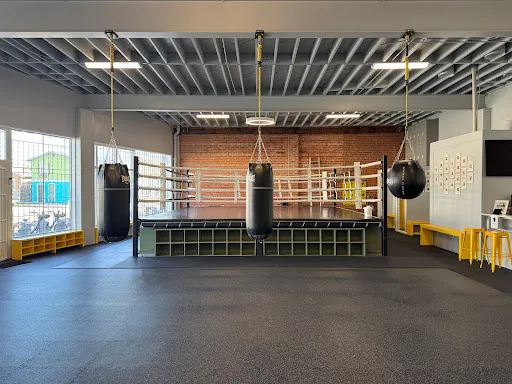
Gopa Boxing Club is a traditional boxing gym focused on fundamentals, amateur-style development, and consistent technical repetition. The training environment stays close to classic boxing culture: structured rounds, disciplined coaching, and steady progression built through repetition rather than variety.
Sessions begin with a standard boxing warm-up designed to build rhythm and endurance. Jump rope is used heavily to establish timing and foot coordination, followed by shadowboxing that reinforces stance discipline, guard position, and controlled movement. Coaches pay close attention to balance during transitions—especially when fighters step forward into punches or pivot out of exchanges.
The core of training revolves around traditional boxing mechanics. Fighters work through structured combinations starting from basic jab development and progressing into multi-punch sequences like jab-cross-hook and body-head variations. Each combination is repeated across rounds to build automatic response under fatigue. Emphasis stays on clean execution rather than improvisation, especially for developing boxers.
Heavy bag work is a primary training tool. Fighters rotate through timed rounds where early focus is placed on form—straight punches, controlled hip rotation, and stable guard recovery. Later rounds increase intensity, requiring sustained output while maintaining structure. Coaches frequently correct common issues such as dropping hands after hooks, overcommitting weight forward, or losing stance alignment after combinations.
Mitt work is used for precision training. Coaches guide fighters through combinations while adjusting timing, distance, and defensive reactions. These sessions often include structured sequences that combine offense and defense, such as punching combinations followed by slips, rolls, or pivots. The goal is to build reaction discipline rather than predictable rhythm.
Sparring is an important part of development but remains controlled. Beginners typically start with technical sparring focused on light contact and specific objectives like jab control or defensive movement. More advanced boxers participate in structured rounds that simulate fight conditions while still maintaining coaching oversight. The focus stays on learning patterns rather than winning exchanges.
Conditioning work supports boxing skill development rather than replacing it. Training includes bodyweight circuits, core exercises, and interval-based conditioning such as sprint rounds or bag burnout sets. The goal is maintaining technical quality even as fatigue increases across rounds.
The gym culture reflects a community-oriented boxing environment. Many members train for fitness, while others pursue amateur competition. Training partners rotate frequently, and experience levels mix across the same floor. Coaches maintain a consistent training standard across all members, adjusting intensity and expectations based on skill level.
Equipment includes heavy bags, speed bags, a small ring area, and open floor space for conditioning and footwork drills. The setup supports continuous movement and structured class flow without downtime.
Gopa Boxing Club suits people who want straightforward boxing development grounded in fundamentals, with a clear path toward amateur-style skill progression.
Explore More Gyms in California
Browse all boxing gyms in California with filters by city and training style.
View All California Gyms