Best Boxing Gyms in Massachusetts
The top-rated boxing gyms in Massachusetts, ranked by rating and review count. Click any gym to view full details, contact info, and specialties.
Certain Victory Martial Arts & Fitness (Marlborough)
5.0 stars (428 reviews)
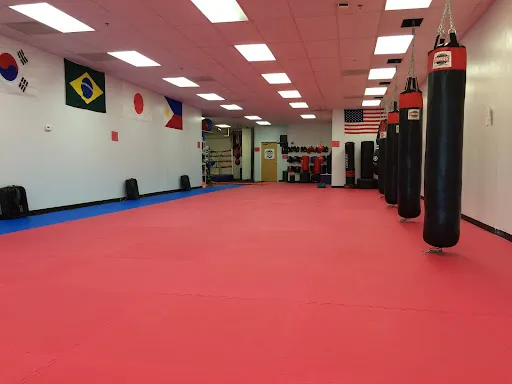
Certain Victory Martial Arts & Fitness sits in Marlborough as a high-rated MMA-focused training space built around structured progression and consistent mat discipline. The gym blends boxing fundamentals with mixed martial arts training, giving members exposure to striking, grappling, conditioning, and practical self-defense work inside one program system.
The training environment centers on repetition and technical clarity. Striking sessions focus on stance control, foot positioning, jab-cross mechanics, and defensive movement such as head slips and guard recovery. Rather than isolating techniques, coaches push combinations that link offense and defense in continuous motion. Heavy bag rounds, pad work, and controlled partner drills form the backbone of most striking classes.
MMA integration becomes visible in how striking connects to takedown entries and clinch work. Students learn how distance changes under pressure, especially when punches transition into level changes or body locks. Wrestling-based drills emphasize balance recovery and cage awareness, often using wall control exercises to simulate real bout conditions. Grappling segments include positional escapes, top control maintenance, and submissions introduced through structured progression rather than open improvisation at early stages.
Conditioning plays a constant role. Sessions often cycle between technical rounds and high-output intervals that test endurance under fatigue. This approach forces cleaner technique when energy drops, especially in later rounds where form tends to break down. Expect circuit training formats that combine striking bursts, core work, and movement drills without long rest periods.
Coaching attention remains one of the gym's defining features. Instruction tends to be direct, with corrections given mid-round rather than saved for post-session feedback. That keeps athletes adjusting in real time instead of repeating errors across entire sessions. Beginners receive step-by-step guidance on basic mechanics, while advanced students are pushed into timing drills, counter-striking patterns, and scenario-based sparring.
Sparring culture is controlled rather than aggressive. Light technical rounds appear early in development, with intensity increasing only when students show consistent defense and composure. This structure reduces injury risk while building ring awareness. Coaches typically match partners by size and skill level, preventing mismatches that slow learning.
The gym attracts a mix of hobbyists, competitive amateurs, and those cross-training from other martial arts backgrounds. Some train for fitness, others prepare for amateur MMA or boxing competition. That blend creates varied training energy without shifting away from technical focus.
Equipment layout supports constant movement: heavy bags along open walls, grappling mats occupying central space, and designated zones for pad work. The space prioritizes function over aesthetics, with clear separation between striking and grappling areas.
Certain Victory's identity comes from consistency rather than flash. The system rewards repetition, controlled intensity, and steady skill development across multiple disciplines. Each session builds on the last, reinforcing fundamentals that carry across boxing, kickboxing, and MMA environments.
5.0 stars (386 reviews)
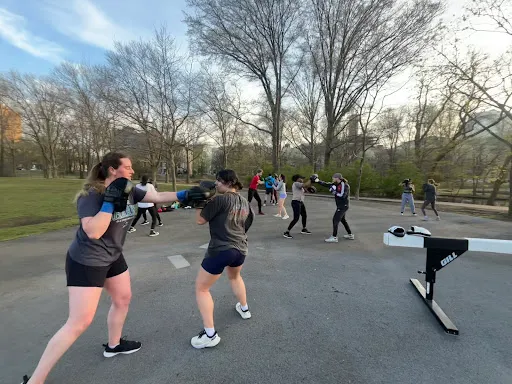
Beantown Boxing stands in Boston as a traditional boxing-focused gym built around structured technique, disciplined repetition, and steady skill progression. The training style leans heavily on classic boxing fundamentals, with an emphasis on footwork, defensive awareness, and clean punch execution rather than mixed martial arts crossover.
Training usually begins with footwork drills that shape how fighters move under pressure. Step-and-slide patterns, pivot exits, and angle changes appear constantly across sessions. Coaches push balance first. If stance collapses, nothing else gets built on top of it. That principle runs through every level, from beginners learning how to keep their guard stable while moving forward, to advanced fighters working ring control against aggressive pressure.
Punch mechanics receive detailed correction. The jab is treated as the foundation of the entire system. It sets range, disrupts timing, and creates openings for straight rights and hook variations. Cross mechanics focus on hip rotation and shoulder alignment, with emphasis on recovery back into guard rather than overextension. Hooks are drilled for compactness, keeping elbows tight and minimizing energy loss. Uppercuts appear in close-range work, often paired with head movement entries.
Defense training stays active rather than passive. Slipping drills, roll-under sequences, and parry-counter combinations build reactions instead of memorized patterns. Fighters learn to respond while moving, not after resetting. That approach shows up in mitt work, where coaches mix offense and defense within the same sequence so rhythm never becomes predictable.
Bag work plays a major role in conditioning and technical reinforcement. Heavy bag rounds are structured with purpose: early rounds focus on form, mid rounds on combination layering, and later rounds on fatigue control. The goal is maintaining clean mechanics even when breathing becomes difficult. Speed bags and double-end bags sharpen timing and hand-eye coordination, forcing precision under constant motion.
Sparring is treated as a controlled extension of training, not the centerpiece. Sessions typically start light, focusing on jab exchanges and defensive reads before increasing intensity. Coaches intervene frequently to correct habits such as dropping the lead hand, square stance recovery, or predictable exits after combinations. The environment prioritizes learning over dominance, with experienced fighters often paired with developing students to guide pace control.
Conditioning runs alongside technical work without dominating it. Jump rope rounds, shadowboxing intervals, and bodyweight circuits build endurance while reinforcing movement patterns used in boxing. The conditioning style stays directly tied to fight mechanics, not separate fitness routines.
The gym attracts a wide range of trainees. Some arrive with competitive goals in amateur or professional boxing. Others train for fitness while still learning authentic boxing structure rather than simplified cardio versions. That mix creates steady energy without shifting focus away from technique.
Coaching culture emphasizes repetition and correction. Small adjustments matter: hand return speed, chin placement, and weight distribution during combinations. Over time, those refinements shape how fighters move under pressure.
Beantown Boxing's identity comes from its commitment to traditional boxing structure. Every session reinforces timing, defense, and controlled aggression, building a style that holds up under sustained exchanges and ring pressure.
New England Martial Arts Athletic Center (Marlborough)
5.0 stars (361 reviews)

New England Martial Arts Athletic Center operates in Marlborough as a multi-discipline training facility centered on MMA development, striking fundamentals, and structured athletic conditioning. The gym blends boxing, kickboxing, and grappling into a unified training system where athletes rotate through striking pads, wrestling drills, and mat-based scenarios within the same weekly cycle.
Striking instruction builds from boxing mechanics before expanding into mixed rulesets. Early-stage training focuses on stance stability, jab control, and straight-line punching efficiency. Coaches emphasize keeping the chin protected behind the shoulder line and returning hands quickly to guard after each strike. As students progress, combinations expand into multi-level attacks that mix head strikes with body shots to break defensive rhythm.
Kickboxing elements introduce kicks and knees into boxing structure. Roundhouse kicks target midsection and legs, with attention placed on balance recovery after impact. Fighters learn how to reset stance quickly after kicking to avoid counters. Knee strikes and close-range clinch entries appear in later stages, especially when training transitions from open striking distance into tied-up exchanges.
Wrestling and takedown defense form a major part of the curriculum. Sessions often include sprawls, underhook control, and cage pressure drills that simulate being pinned against a barrier. Students work on breaking grips, circling off the fence, and recovering neutral position under resistance. Offensive wrestling includes double-leg and single-leg entries, but emphasis stays on control and positioning rather than explosive takedown attempts alone.
Groundwork introduces positional hierarchy from top control to guard recovery. Students practice maintaining pressure from mount and side control while learning escape routes such as hip escapes and frame creation. Submissions appear gradually, often tied to transitions rather than isolated techniques. The focus stays on controlling position first, finishing second.
Conditioning runs through every class format. Instead of separate fitness blocks, intensity is embedded into technical rounds. Fighters alternate between pad work, grappling scrambles, and movement circuits with limited rest. This structure builds endurance under fight-like fatigue rather than isolated cardio performance. Rope work, medicine ball drills, and sprint intervals often close sessions.
Coaching style is direct and correction-heavy. Small technical errors receive immediate attention, especially in stance alignment, defensive reactions, and transition timing. Athletes are encouraged to repeat movements until efficiency replaces hesitation. That repetition builds consistency across striking and grappling phases, reducing breakdowns when sessions become more intense.
Sparring is structured in layers. Beginners start with controlled technical rounds focused on distance and defense. Intermediate athletes engage in scenario sparring, such as starting from clinch positions or cage pressure situations. Advanced fighters rotate through full MMA rounds where striking and grappling transitions occur without pause. Coaches monitor intensity closely to keep exchanges productive rather than chaotic.
The training environment brings together hobbyists, fitness-focused members, and competitors preparing for amateur MMA events. That range creates steady energy without shifting focus away from fundamentals. Experienced athletes often assist newer members during drills, reinforcing the gym's emphasis on shared development rather than isolated training tracks.
Equipment setup supports multi-discipline flow. Striking bags line one section of the floor, while mats occupy a central training area for grappling and wrestling work. Pad stations rotate depending on class structure, allowing quick transitions between striking and ground segments.
New England Martial Arts Athletic Center builds its identity through integration. Each session connects striking, wrestling, and conditioning into one continuous system where movement, control, and timing carry across every phase of combat training.
Nolan Bros. Boxing & Fitness (Waltham)
5.0 stars (201 reviews)

Nolan Bros. Boxing & Fitness operates in Waltham as a boxing-centered fitness gym focused on clean fundamentals, structured conditioning, and accessible training for both beginners and long-term recreational athletes. The gym leans toward fitness boxing rather than competition-heavy sparring culture, but still keeps technique at the core of every session.
Training starts with foundational boxing mechanics. Stance work comes first: feet shoulder-width, lead foot slightly forward, weight balanced so movement stays reactive in any direction. Coaches correct small details early—heel positioning, hip alignment, and guard height—because those basics determine everything that follows in a boxing system.
Punch development focuses on efficiency rather than volume. The jab is used as a control tool, not just a scoring strike. It sets rhythm, manages distance, and forces defensive reactions. Cross mechanics emphasize full-body rotation with controlled recoil, ensuring fighters don't overcommit and lose balance. Hooks are taught as short, compact strikes generated from core rotation rather than wide arm swings. That structure keeps output tight and repeatable even during fatigue.
Pad work is a central feature of training. Coaches call combinations that mix offense and defensive resets inside the same sequence. A typical round might include jab-cross-hook, followed immediately by a slip or pivot, then re-entry with a new combination. That constant switching builds rhythm awareness and prevents predictable patterns from forming.
Bag work sessions focus heavily on conditioning. Heavy bags are used for sustained rounds that challenge both output and technique retention. Early rounds prioritize clean form, while later rounds push endurance under declining energy levels. Speed bags and double-end bags add timing work, requiring precision and controlled rhythm rather than power.
Footwork training receives consistent attention. Lateral movement, pivot exits, and forward pressure drills appear in most classes. The goal is maintaining structure while in motion, especially when throwing combinations. Coaches often interrupt rounds to correct stance collapse or overreaching after punches, reinforcing recovery as part of every action.
Conditioning is integrated into nearly every class rather than separated into standalone workouts. Jump rope intervals, shadowboxing circuits, and bodyweight exercises like push-ups, squats, and core work appear between technical rounds. That structure builds endurance that directly supports boxing movement rather than general fitness alone.
Sparring, when included, stays controlled and instructional. It typically appears in light technical rounds focused on timing, distance, and defense recognition. Emphasis stays on learning reactions rather than chasing power exchanges. Fighters rotate frequently to avoid fatigue-driven mistakes and to expose them to different styles of movement and rhythm.
The gym attracts a broad range of members. Some focus on fitness and stress relief through boxing-based conditioning. Others pursue long-term skill development without aiming for competition. That mix creates a steady, structured atmosphere where technical consistency matters more than intensity spikes.
Coaching remains hands-on throughout training. Corrections are immediate and specific—hand return speed, chin protection, and stance recovery after combinations. Repetition is used as the main teaching tool, reinforcing habits until they hold under fatigue.
Nolan Bros. Boxing & Fitness builds its identity around simplicity and consistency. Every session reinforces boxing fundamentals through structured repetition, conditioning layers, and movement control that holds up across all training intensities.
5.0 stars (201 reviews)
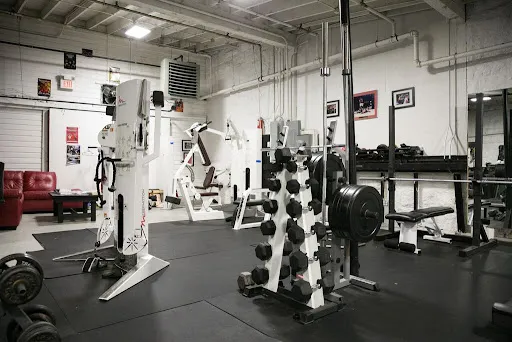
Upperkuts Boxing operates in Ashland as a boxing-focused fitness and fundamentals gym built around repetition, conditioning, and approachable skill development. The training style stays centered on traditional boxing structure, but the environment is designed to stay accessible for beginners while still giving experienced trainees enough technical depth to refine their craft.
Sessions begin with movement and stance reinforcement. Coaches place early emphasis on balance: feet set at a stable width, knees slightly bent, and weight distributed so movement stays controlled in any direction. Fighters learn to move without crossing their feet, keeping transitions smooth when advancing, retreating, or circling.
Punching technique forms the core of the system. The jab is treated as the primary tool for distance control and rhythm setting. It appears constantly in drills, often repeated in long sequences to build consistency under fatigue. The cross focuses on hip rotation and shoulder alignment, with attention paid to maintaining guard recovery after each strike. Hooks are taught as short, compact movements generated from the torso, not wide arm swings that expose the body. Uppercuts appear in close-range drills, especially in combination work where level changes are introduced.
Pad work sessions structure most technical development. Coaches build combinations that force rhythm changes: fast jab sequences followed by slower power shots, then defensive movement resets. That contrast teaches timing awareness and prevents predictable pacing. Fighters also learn to mix offense with immediate exits, such as pivoting out or slipping after finishing a combination.
Heavy bag rounds reinforce endurance and mechanical consistency. Early rounds focus on clean form—straight punches, tight hooks, and controlled breathing. As rounds progress, fatigue becomes a training tool. Fighters must maintain technique while output drops, which exposes weaknesses in stance stability and hand return speed. Speed bags and reflex bags add timing and coordination work, sharpening rhythm rather than power.
Footwork drills appear regularly and are treated as essential rather than optional. Step-and-slide movement, angle creation, and pivot exits are repeated until they become automatic. Coaches often stop drills to correct stance breakdowns or overextension after punches. The goal is keeping structure intact even when movement speed increases.
Conditioning is embedded throughout training. Jump rope rounds build rhythm and calf endurance, while shadowboxing intervals are used to reinforce movement patterns under light fatigue. Bodyweight circuits—push-ups, squats, and core work—appear between technical rounds. The conditioning style stays tied directly to boxing mechanics rather than general fitness routines.
Sparring, when introduced, stays controlled and instructional. Beginners usually start with light, technical exchanges focused on jab timing and defense recognition. More experienced trainees rotate through situational rounds that emphasize specific skills such as countering, corner escape, or pressure fighting. Coaches monitor intensity closely to maintain learning over aggression.
The gym attracts a mix of recreational fitness members and individuals interested in structured boxing development. Some use training for general conditioning and stress relief, while others build toward more advanced technical proficiency. That balance keeps sessions steady and focused without shifting into overly competitive intensity.
Coaching is hands-on and detail-focused. Small corrections—hand placement, chin position, foot alignment—are repeated until they hold naturally under fatigue. Repetition drives progress more than complexity, and each session reinforces core boxing habits through structured practice.
Upperkuts Boxing builds its identity on accessibility and consistency. Every class reinforces fundamentals through repetition, controlled conditioning, and movement discipline that supports long-term boxing development.
Evolution Mixed Martial Arts (Tewksbury)
5.0 stars (153 reviews)

Evolution Mixed Martial Arts operates in Tewksbury as a multi-discipline fight training facility combining MMA, traditional boxing, Muay Thai, and self-defense systems into a single structured curriculum. The gym prioritizes versatility, building athletes who can transition between striking ranges, clinch positions, and ground exchanges without losing composure or structure.
Striking work begins with boxing fundamentals. Fighters develop stance control, jab timing, and straight-punch accuracy before expanding into more complex combinations. Coaches emphasize balance during exchanges, especially when throwing power shots. The goal is to keep fighters stable enough to defend immediately after attacking, rather than relying on single, isolated strikes.
Muay Thai integration adds elbows, knees, and kicking mechanics. Roundhouse kicks target legs and midsection, teaching fighters how to generate force through hip rotation while maintaining guard protection. Knee strikes appear in close range, often paired with clinch control drills where head position and underhook control determine dominance. Elbow techniques are introduced in tight exchanges, focusing on compact motion and short-range accuracy.
Clinch training plays a major role in the system. Fighters work on hand fighting, grip control, and posture manipulation. Drills simulate pressure against the cage, where maintaining balance under resistance becomes critical. Athletes learn to break grips, reverse positions, and create space without overcommitting energy.
Wrestling forms the bridge between striking and ground work. Double-leg and single-leg entries are drilled with emphasis on timing rather than raw explosiveness. Defensive wrestling includes sprawl reactions, underhook recovery, and hip control to prevent takedowns. Cage wrestling is heavily emphasized, with repeated drills focused on wall pressure, escapes, and positional control.
Ground training covers positional hierarchy in detail. Fighters move through guard, half guard, side control, and mount with structured objectives for each position. Top control focuses on pressure distribution and maintaining stability while advancing position. Bottom work emphasizes framing, hip movement, and escape chains that create space for stand-ups or reversals. Submissions are introduced as extensions of positional dominance rather than isolated techniques.
Conditioning is integrated into nearly every session. Training cycles alternate between technical rounds and high-output intervals, forcing fighters to maintain form under fatigue. Circuit training often includes striking combinations, takedown transitions, and ground scrambles in continuous sequences. That structure builds endurance specific to MMA pacing rather than general fitness.
Sparring is structured and progressive. Beginners engage in controlled striking rounds with limited contact and defined objectives. Intermediate athletes add grappling transitions and clinch exchanges. Advanced fighters rotate through full MMA rounds where striking, wrestling, and ground work flow continuously. Coaches actively manage intensity to ensure skill development remains the focus.
The gym attracts a wide range of members, including recreational trainees, fitness-focused individuals, and amateur competitors preparing for sanctioned fights. That mix creates a training environment where experience levels vary, but technical discipline remains the priority across all classes.
Coaching is direct and correction-driven. Adjustments are made in real time—stance alignment, grip control, head position, and transition timing all receive immediate feedback. Repetition is used as the main tool for skill development, especially when building consistency across multiple martial arts disciplines.
Evolution Mixed Martial Arts builds its identity on integration. Every session connects striking, clinch work, wrestling, and ground control into a unified system that prepares athletes for full-range combat situations.
Union Street Boxing (Billerica)
5.0 stars (140 reviews)

Union Street Boxing operates in Billerica as a traditional boxing gym centered on skill development, disciplined repetition, and ring awareness. The training style stays firmly rooted in classic boxing structure, focusing on clean mechanics, controlled pacing, and practical application of fundamentals in both drills and sparring.
Training begins with stance reinforcement. Fighters are taught to maintain a balanced base with a slight bend in the knees, allowing quick directional changes without losing stability. Coaches emphasize alignment from the ground up—feet placement, hip positioning, and shoulder orientation all work together to support effective punching and defense.
The jab is treated as the anchor of the entire system. It controls distance, disrupts rhythm, and sets up every combination that follows. Repeated jab drills build timing and consistency, especially under fatigue. The cross is developed for straight-line power, with attention given to hip rotation and controlled recoil back into guard. Hooks are kept compact to avoid overextension, while uppercuts are introduced in close-range exchanges where body positioning becomes critical.
Footwork is a constant focus. Fighters work on forward pressure, lateral movement, and pivot exits to maintain ring control. Drills often involve circling an opponent while maintaining punching readiness, reinforcing the idea that movement and offense must stay connected. Coaches frequently stop action to correct stance breakdowns or inefficient stepping patterns.
Pad work sessions structure much of the technical progression. Trainers call combinations that mix offense with immediate defensive reactions. A typical sequence might involve a jab-cross-hook followed by a slip, pivot, and re-entry combination. This forces fighters to stay active between exchanges rather than resetting into static positions.
Heavy bag training reinforces both endurance and technical discipline. Early rounds prioritize clean mechanics and controlled breathing. As rounds progress, fatigue becomes part of the training objective, requiring fighters to maintain form under physical stress. Speed bags and double-end bags are used for timing, rhythm, and hand-eye coordination, sharpening precision rather than power output.
Defensive training is built through repetition rather than theory. Fighters practice slipping punches, rolling under hooks, and parrying jabs until reactions become instinctive. Defensive movement is always paired with counters, reinforcing the idea that protection and offense occur together rather than separately.
Sparring is structured and controlled. Early rounds focus on light technical exchanges, emphasizing distance management and defensive awareness. More advanced rounds introduce pressure scenarios where fighters must work off the ropes or escape corners while maintaining composure. Coaches monitor intensity closely, prioritizing learning over aggressive exchanges.
Conditioning is integrated into training sessions rather than separated into distinct workouts. Jump rope, shadowboxing intervals, and bodyweight circuits appear throughout classes. This approach builds endurance that directly supports boxing movement rather than general athletic conditioning alone.
The gym attracts a mix of recreational boxers and more dedicated trainees. Some focus on fitness and discipline, while others pursue long-term technical development. That range creates a steady training atmosphere where fundamentals remain the central focus regardless of experience level.
Coaching emphasizes repetition and correction. Small details—guard position, foot placement, punch recovery—are reinforced continuously until they become automatic under pressure. Progress comes through consistency rather than complexity.
Union Street Boxing maintains a straightforward identity: traditional boxing built on discipline, repetition, and clean execution of fundamentals that hold up under real sparring conditions.
STC Boxing & Fitness (Waltham)
5.0 stars (134 reviews)
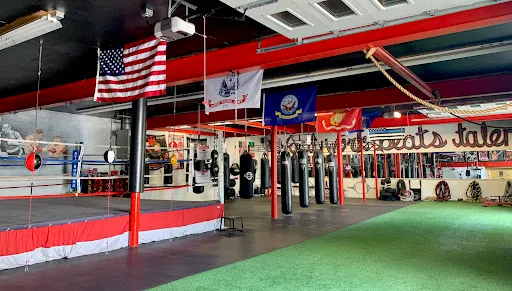
STC Boxing & Fitness operates in Waltham as a boxing and fitness-focused training gym built around traditional boxing mechanics paired with high-repetition conditioning work. The gym keeps a strong emphasis on fundamentals, but structures training in a way that blends technical development with steady physical output, making it suitable for both skill-building and fitness-oriented members.
Training starts with stance and movement control. Fighters are taught to stay light on their feet, maintaining a stable base that allows quick shifts between offense and defense. Coaches focus heavily on posture: chin tucked, shoulders relaxed but ready, and hands positioned to protect the centerline. Movement drills reinforce forward pressure, lateral stepping, and controlled retreats without crossing feet or breaking balance.
Punch mechanics are drilled in layers. The jab receives the most attention, used as both a rangefinder and a rhythm setter. Repetition builds consistency until it becomes automatic under fatigue. The cross is developed for straight-line power, driven by hip rotation and grounded foot positioning. Hooks are taught as short, tight strikes that maintain guard integrity. Uppercuts are introduced in close-range work where fighters learn to generate power from legs and core rather than arm lifting.
Pad work sessions form a major part of technical training. Coaches design combinations that blend offense with defensive movement. A typical sequence might include jab-cross-hook followed by a slip, roll, or pivot, then immediate re-entry into another combination. This structure builds rhythm awareness and prevents static exchanges where fighters pause after attacking.
Heavy bag rounds emphasize endurance and mechanical consistency. Early rounds focus on clean execution—straight punches, controlled breathing, and balanced stance. Later rounds introduce fatigue pressure, requiring fighters to maintain structure when output drops. Speed bags and reflex bags are used to sharpen timing, coordination, and hand speed, reinforcing rhythm under continuous motion.
Footwork training is constant. Fighters drill pivots, angle creation, and ring positioning to avoid linear movement patterns. Coaches often pause drills to correct stance collapse or overreaching after punches. The goal is maintaining defensive readiness while staying active offensively.
Conditioning is built directly into training sessions. Jump rope intervals establish rhythm and foot speed, while shadowboxing rounds reinforce movement patterns under light fatigue. Bodyweight circuits—push-ups, squats, core work—are used between technical rounds to maintain elevated heart rate without breaking boxing structure. The conditioning style supports boxing performance rather than separate fitness goals.
Sparring is controlled and technical. Beginners engage in light-contact rounds focused on distance management and defensive awareness. Intermediate and advanced fighters rotate through structured rounds emphasizing specific skills such as counterpunching, pressure fighting, or corner escapes. Coaches actively regulate intensity to ensure learning remains the priority.
The gym attracts a wide range of members, from fitness-focused individuals to those developing long-term boxing skills. That mix creates a steady training environment where technical discipline remains consistent regardless of experience level.
Coaching is direct and detail-oriented. Small adjustments—hand recovery speed, chin position, foot placement—are reinforced repeatedly until they hold under fatigue. Repetition and correction drive progression more than complexity or variation.
STC Boxing & Fitness builds its identity on structured boxing fundamentals combined with consistent conditioning work, producing athletes who can maintain technique and output even under sustained physical pressure.
South Coast Self Defense - Youth Martial Arts, Adult Krav Maga and Cardio Kickboxing (New Bedford)
5.0 stars (134 reviews)
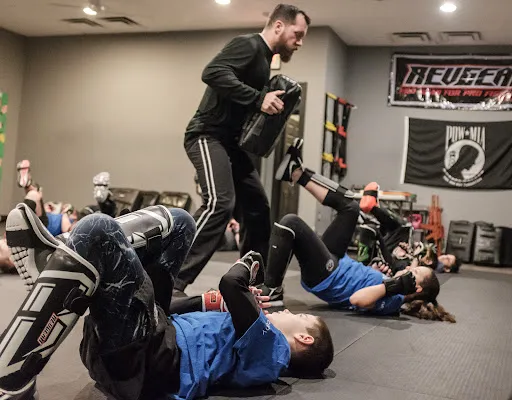
South Coast Self Defense operates in New Bedford as a multi-discipline combat training gym combining MMA, kickboxing, Muay Thai, Krav Maga, and cardio-based boxing work. The system blends practical self-defense with structured martial arts training, producing athletes who can move between striking, clinch fighting, and defensive scenarios with adaptability.
Training begins with striking fundamentals drawn from boxing and kickboxing. Fighters develop stance control, jab timing, and basic combination flow before adding kicks and knees. Coaches emphasize balance during exchanges, especially when transitioning between punching and kicking ranges. Striking drills focus on keeping hands active while integrating lower-body attacks without losing defensive structure.
Kickboxing and Muay Thai elements expand the striking system. Roundhouse kicks target legs and body, requiring strong hip rotation and controlled retraction to avoid counterattacks. Knee strikes appear in close-range exchanges and clinch positions, where posture control and hand fighting determine dominance. Elbows are introduced for tight-range striking, often used in controlled combinations that simulate real close-contact situations.
Krav Maga influence introduces scenario-based self-defense training. Students practice responses to common real-world situations such as grabs, pushes, and confined-space confrontations. Emphasis is placed on immediate reaction, escape positioning, and maintaining awareness under pressure. These drills prioritize simplicity and effectiveness over complex technique chains.
Clinch training connects striking and grappling phases. Fighters work on underhooks, head positioning, and grip control to manage close-range exchanges. Drills often simulate cage or wall pressure, where maintaining balance and preventing takedowns becomes essential. Athletes learn to break grips, reverse positions, and create space for strikes or escapes.
Ground work focuses on basic positional control and survival skills. Students move through guard retention, top pressure control, and escape techniques. Submissions are introduced in structured progression, but emphasis stays on maintaining position and preventing damage first. The system builds confidence in staying safe on the ground before advancing to finishing techniques.
Cardio kickboxing sessions form a major part of training for fitness-oriented members. These classes combine striking combinations with continuous movement and interval-based conditioning. Routines include punch-kick sequences, shadowboxing drills, and high-repetition bag work designed to build endurance and coordination.
Conditioning is embedded across all training formats. Fighters rotate between technical drills and high-intensity circuits involving strikes, bodyweight exercises, and movement sequences. This structure builds fight-specific endurance while reinforcing technique under fatigue.
Sparring is structured and heavily supervised. Beginners engage in controlled drills focused on distance, timing, and defensive awareness. Advanced practitioners participate in scenario sparring that includes clinch work, striking transitions, and controlled ground exchanges. Coaches closely monitor intensity to maintain safety and learning focus.
The gym attracts a broad membership base, including fitness participants, self-defense learners, and competitive trainees. That diversity creates a dynamic environment where training intensity varies but technical discipline remains central.
Coaching is direct and scenario-focused. Corrections are immediate and practical, often tied to real-world application rather than abstract technique refinement. Repetition reinforces responses until they become instinctive under pressure.
South Coast Self Defense builds its identity on practical adaptability, combining martial arts systems with real-world defensive training and conditioning that supports both fitness and combat readiness.
TITLE Boxing Club Saugus (Saugus)
5.0 stars (122 reviews)

TITLE Boxing Club Saugus runs in Saugus as a structured boxing fitness studio built around high-energy training, class-based instruction, and repeatable boxing fundamentals. The gym focuses on making traditional boxing accessible through guided sessions that combine technique, pad work, heavy bag rounds, and conditioning circuits inside a timed class format.
Training sessions follow a consistent rhythm. Fighters rotate through rounds of bag work, mitt-style combinations, and bodyweight conditioning intervals. Each class builds intensity gradually, starting with movement preparation and ending in sustained high-output rounds that test endurance while maintaining boxing form.
Stance and movement are introduced early in every session. Coaches emphasize a balanced base that allows quick transitions between offense and defense. Feet stay under control, with weight distributed so fighters can move forward, backward, or laterally without breaking posture. Small adjustments—heel alignment, knee bend, and shoulder position—are corrected frequently to maintain structure.
Punch mechanics form the core of every workout. The jab is used as the primary rhythm setter, repeated in long sequences to build timing and consistency. Crosses are taught for direct power generation through hip rotation and grounded foot drive. Hooks are kept compact, focusing on torque from the torso rather than wide arm swings. Uppercuts appear in combination chains where close-range engagement is simulated on heavy bags or mitt targets.
Bag work is structured around timed rounds. Early rounds focus on clean technique and controlled breathing. Fighters are encouraged to slow down and refine movement rather than chase speed or power. Mid-session rounds introduce combination layering, where punches are linked into longer sequences with minimal pause. Later rounds shift into endurance-focused output, requiring fighters to maintain form under fatigue while continuing to strike continuously.
Pad-style coaching plays a central role even in group settings. Instructors call combinations that force rhythm changes—fast jab sequences followed by power shots, then defensive movements like slips or pivots. This pattern builds awareness of pacing and prevents mechanical repetition from becoming predictable. Fighters learn to reset positioning after every exchange rather than staying static.
Footwork is reinforced throughout training. Step-and-slide movement, pivot exits, and angle changes are integrated into combinations rather than taught separately. Coaches regularly correct stance breakdowns that occur when fighters overreach or lose balance after punching. The goal is continuous movement without sacrificing defensive readiness.
Conditioning is embedded into every class. Jump rope intervals, shadowboxing rounds, and bodyweight circuits appear between bag sessions. Exercises like squats, push-ups, and core work maintain elevated heart rate while reinforcing boxing posture. This structure builds endurance that directly supports punching output and movement efficiency.
Sparring is limited compared to traditional boxing gyms, but controlled technical drills may be introduced for experienced members. These sessions focus on timing, distance awareness, and defensive reactions rather than heavy exchanges. The emphasis remains on safety and skill development within a guided framework.
The gym attracts a wide range of participants, from beginners seeking structured fitness to members developing long-term boxing habits. The class format allows consistent participation without requiring prior combat experience, while still preserving core boxing mechanics.
Coaching is repetitive and correction-driven. Small technical details—hand return speed, guard position, foot placement—are reinforced continuously during rounds. Progress comes from repetition under guided structure rather than independent experimentation.
TITLE Boxing Club Saugus builds its identity around structured fitness boxing, combining traditional fundamentals with high-volume conditioning inside a class-based system that keeps training consistent, accessible, and repeatable.
Explore More Gyms in Massachusetts
Browse all boxing gyms in Massachusetts with filters by city and training style.
View All Massachusetts Gyms