Best Boxing Gyms in New York
The top-rated boxing gyms in New York, ranked by rating and review count. Click any gym to view full details, contact info, and specialties.
5.0 stars (357 reviews)
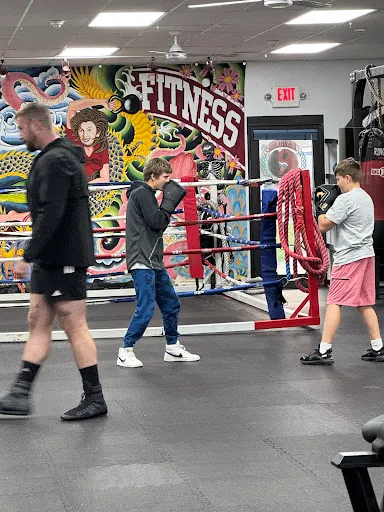
KC's Fitness sits in Orchard Park with a clear identity built around boxing fundamentals blended with MMA conditioning. The gym's reputation rests on consistency: sharp instruction, disciplined training rooms, and a strong emphasis on technique over spectacle. A 5.0 rating from hundreds of reviews reflects a stable coaching environment where members tend to stay long-term rather than cycle through quickly.
The training structure centers on Traditional Boxing and MMA conditioning. Sessions typically start with footwork patterns that reinforce balance and distance control. Coaches place heavy focus on stance discipline—how fighters hold their base, shift weight, and recover after combinations. This foundational work carries into bag rounds, where repetition is used to tighten mechanics rather than just burn calories. Heavy bags are not treated as endurance tools alone; they function as feedback systems. Sloppy punches get corrected immediately, often in real time during rounds.
Pad work is a major feature. Coaches rotate between mitt drills that emphasize timing, rhythm changes, and defensive exits after combinations. A common theme is breaking predictable sequences. Instead of static 1–2 combinations, fighters are pushed into layered patterns: jab–cross–slip–hook, or jab–body shot–pivot–rear hand. The goal is to make movement automatic rather than deliberate. Sparring, when introduced, follows a controlled progression. Beginners stay in technical sparring where power is limited and emphasis is placed on reading distance and reacting under pressure.
Strength and conditioning sessions complement the striking work. These aren't isolated bodybuilding workouts. They lean toward explosive movement—medicine ball throws, sled pushes, rope intervals, and bodyweight circuits designed to support punching endurance. Conditioning rounds often mimic fight pacing: short bursts of high output followed by brief recovery windows.
The MMA influence shows up in grappling transitions and defensive awareness training. Even for boxing-focused members, coaches introduce clinch awareness, basic takedown defense concepts, and how to stay composed when pressure closes distance. This makes the striking more adaptable rather than rigid.
The gym environment is structured but not rigidly formal. Members range from complete beginners to amateur competitors, creating a layered training atmosphere. Newcomers are corrected without intimidation, while advanced athletes are pushed through higher-volume rounds and more complex drills. The coaching style leans direct. Instructions are short, specific, and repeated until movement changes stick.
Equipment is practical: multiple heavy bags, speed bags, double-end bags, and open floor space for shadowboxing and footwork ladders. Nothing is ornamental. Every station serves a training purpose.
KC's Fitness operates like a performance-oriented boxing room rather than a casual fitness studio. Progress is measured in cleaner technique, tighter defense, and the ability to maintain form under fatigue. Members who stay tend to build long-term skill rather than short-term conditioning gains.
DiamondHeart Striking and Grappling/PCC (Brooklyn)
5.0 stars (268 reviews)
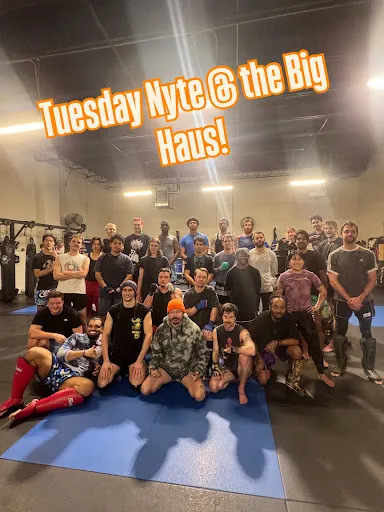
DiamondHeart Striking and Grappling/PCC operates in Brooklyn with a training culture built around precision striking and structured grappling integration. The gym's identity leans strongly toward Traditional Boxing, but its class design regularly blends striking fundamentals with defensive positioning and controlled clinch awareness. A 5.0 rating across a large review base reflects consistency in coaching standards and a stable member experience.
Training begins with fundamentals that rarely get skipped, even for experienced athletes. Stance alignment is treated as non-negotiable. Coaches correct foot placement before combinations are allowed to progress. A typical session opens with shadowboxing rounds that isolate specific mechanics—jab-only rounds, defense-only movement rounds, or head movement drills without offense. This creates technical clarity before intensity increases.
Bag work is structured around repetition cycles rather than free-hitting. Fighters cycle through fixed combinations, then immediately modify them under fatigue. A common sequence might start with jab-cross-hook, then shift into jab-cross-roll-cross, then finish with layered body-head transitions. Coaches emphasize clean exits after each combination. Standing in front of the bag is discouraged unless it serves a defensive purpose.
Mitt work forms the core of skill development. Coaches actively adjust timing mid-round, forcing athletes to adapt rather than memorize patterns. Rhythm disruption is a recurring theme. A fighter might be told to pause after the jab, double up the cross, or insert a defensive slip between punches. These interruptions build responsiveness under uncertainty, which carries into sparring.
Sparring at DiamondHeart follows a controlled progression system. Beginners stay in technical sparring with limited power and strict emphasis on distance awareness. Intermediate and advanced fighters move into situational rounds: starting from the ropes, fighting off angles, or defending against pressure sequences. The goal is not volume but decision-making under constraint.
Conditioning work supports the technical load. Rounds often alternate between striking intervals and functional movement circuits. Jump rope segments, explosive push-ups, core rotations, and short sprint sets are used to simulate fatigue patterns similar to fight pacing. Conditioning is integrated into training rather than separated as a standalone segment.
The grappling component adds structural awareness. Even striking-focused members are exposed to clinch control, balance disruption, and basic takedown defense positioning. The focus is not on turning boxers into grapplers, but on preventing overcommitment and maintaining posture under pressure. This reduces common breakdowns in pure boxing systems when opponents close distance.
The gym environment is disciplined but not rigid in tone. Coaches communicate in short corrections rather than extended explanations during rounds. Members work in shared space with overlapping classes, creating constant activity without chaos. Beginners and competitors train side by side, but workloads are scaled appropriately.
Equipment includes standard boxing bags, double-end bags, mitt stations, and open mat space for footwork and grappling drills. The layout supports continuous rotation, keeping training pace steady without long idle periods.
DiamondHeart functions as a technical boxing-first gym with structural grappling awareness layered in. Progress shows through cleaner punch selection, improved defense under pressure, and better control in close-range exchanges.
Slick Sluggers Boxing (Mineola)
5.0 stars (260 reviews)
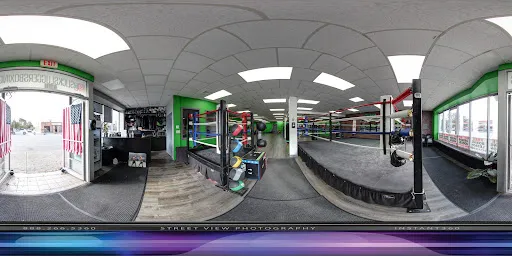
Slick Sluggers Boxing runs out of Mineola with a training style built around volume, repetition, and adaptable striking across boxing and MMA contexts. The gym keeps a 5.0 rating backed by a large review base, reflecting steady coaching quality and a wide mix of recreational trainees and competitive fighters.
Sessions typically open with conditioning that doubles as skill prep. Jump rope sets are used not just for endurance but for rhythm control—single-leg switches, double-unders, and tempo changes that mirror in-ring timing shifts. From there, athletes move into shadowboxing rounds where coaches assign specific constraints: only jabs, only counterpunching, or defense-first movement without throwing strikes for entire rounds. These constraints force awareness instead of autopilot combinations.
Bag work is high-repetition and structured around endurance under form pressure. Fighters cycle through long combination chains such as jab-cross-hook-body-cross or double jab-cross-roll-hook-cross. Coaches constantly correct stance drift, especially as fatigue builds. A major focus is preventing forward collapse—fighters are trained to maintain posture even when pushing output. Between rounds, corrections are brief and immediate, then athletes return to execution without extended downtime.
Mitt work is fast-paced and reactive. Coaches frequently interrupt rhythm mid-combination to force adaptation. A typical round might start with standard combinations, then shift into defensive counters like slip-cross-hook or roll-jab-cross sequences. The goal is to build automatic responses under changing stimuli rather than memorized patterns. Timing drills are common, especially catching punches on the counter after subtle feints.
Sparring at Slick Sluggers is progressive and tightly managed. Beginners focus on touch sparring where clean technique matters more than impact. As athletes advance, sparring shifts into situational formats—corner escapes, pressure survival rounds, and counter-only exchanges. Full sparring is reserved for experienced fighters who demonstrate control and defensive awareness. Coaches prioritize safety without removing realism.
The MMA influence appears in transitional awareness training. Fighters learn how boxing stance changes when grappling distance closes, especially when defending clinch entries. Even in striking-only sessions, athletes are taught to recognize when exchanges become too close for pure boxing mechanics. This reduces breakdowns in posture during pressure situations.
Conditioning work is integrated into nearly every class. High-intensity intervals mimic fight pacing: 30–60 second bursts of combinations followed by short recovery windows. Exercises include battle ropes, medicine ball slams, explosive push-ups, and shuttle sprints. The conditioning is designed to maintain technique under fatigue rather than separate endurance from skill work.
The gym atmosphere is active and layered. Multiple training stations run simultaneously, with coaches circulating to correct form and adjust intensity. Beginners are guided closely, while advanced athletes are pushed through heavier workloads and more complex sequences. Despite the density of activity, structure remains clear—each station has a defined purpose.
Equipment includes a full range of boxing bags, speed bags, double-end setups, and open floor space for footwork and agility drills. Everything supports continuous rotation, minimizing downtime between rounds.
Slick Sluggers operates as a high-volume boxing environment where consistency, repetition, and controlled intensity shape long-term skill development.
F.C. Chaos Boxing & Fitness (Staten Island)
5.0 stars (222 reviews)
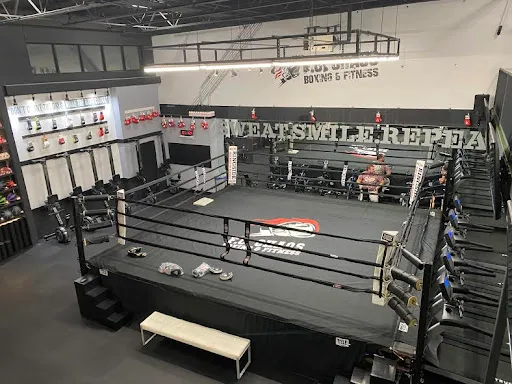
F.C. Chaos Boxing & Fitness operates in Staten Island with a boxing-first structure built around discipline, repetition, and steady technical refinement. The gym holds a 5.0 rating from a large review base, reflecting consistent coaching standards and a training environment that attracts both beginners and competitive fighters.
Training sessions open with structured warm-ups that quickly transition into technical work. Jump rope rounds focus on rhythm control and coordination rather than simple cardio. Fighters are expected to maintain tempo changes—slow bounce into fast cadence, then controlled pauses—mirroring timing shifts used in boxing exchanges. Coaches correct posture early, especially head position and shoulder relaxation, before any heavy striking begins.
Shadowboxing is treated as a core development tool rather than a warm-up filler. Rounds are often assigned with strict themes: jab control only, defensive movement without punching, or counter-focused sequences where every attack must follow a slip or pivot. This creates deliberate repetition of specific skills instead of scattered output. Foot placement is constantly adjusted to maintain balance during transitions.
Bag work emphasizes accuracy under fatigue. Fighters work through set combinations that build gradually in complexity. A typical progression might start with straight punches, then add hooks, then introduce defensive resets like roll-outs or pivots after each sequence. Coaches emphasize finishing combinations with exit angles instead of staying in front of the bag. Power is secondary to clean structure.
Mitt sessions are fast and directive. Coaches vary timing unpredictably, forcing fighters to react instead of anticipating patterns. A round may shift from offense-heavy combinations into defensive counters within seconds. This unpredictability builds adaptability, especially under pressure. Fighters are also pushed to recognize openings rather than wait for instruction, developing situational awareness inside exchanges.
Sparring is introduced in stages. Early rounds focus on technical control with limited contact, prioritizing distance management and clean entry-exit habits. Intermediate sessions introduce pressure scenarios such as fighting off the ropes or working inside tight space exchanges. Advanced sparring becomes more realistic but remains closely monitored, with coaches intervening to correct habits mid-round when needed.
Conditioning is integrated directly into boxing rounds. Fighters alternate between striking bursts and functional movement circuits—medicine ball throws, push-up variations, core rotations, and short sprint intervals. The intent is to maintain technical integrity while fatigue accumulates, reinforcing efficiency over raw output.
A defining feature of the gym is its structured chaos management style. Despite the name, training is tightly organized. Multiple athletes train simultaneously, but stations are clearly defined and rotations are controlled. Coaches circulate continuously, giving short, precise corrections rather than long explanations.
The MMA influence appears in close-range awareness and defensive positioning. Even boxing-focused athletes are taught how to manage clinch distance, maintain posture under forward pressure, and reset safely when exchanges collapse into tight space.
Equipment includes heavy bags, speed bags, double-end bags, and open floor areas for footwork and conditioning drills. Every station supports repetition with variation, keeping sessions focused but dynamic.
F.C. Chaos Boxing & Fitness builds fighters through repetition, controlled intensity, and constant technical correction under fatigue.
5.0 stars (170 reviews)
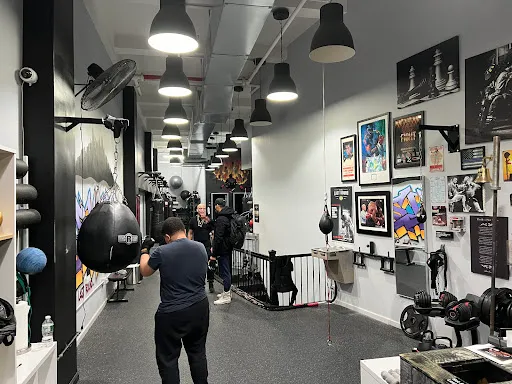
The Last Round runs in New York City with a boxing-focused training model built around clean fundamentals, steady progression, and controlled intensity. The gym holds a 5.0 rating from a strong review base, reflecting consistent coaching quality and a structured approach that appeals to both beginners and more experienced fighters.
Training begins with structured movement work rather than immediate striking. Jump rope rounds are used to establish rhythm, balance, and breathing control. Coaches pay attention to posture early—shoulder tension, chin position, and foot alignment are corrected before athletes move into higher-output drills. The warm-up phase sets the tone for precision rather than speed.
Shadowboxing is treated as a technical checkpoint. Fighters work in short rounds with specific constraints: jab-only rounds to build range discipline, defense-only rounds focused on head movement and footwork, or counter-focused rounds where every action must follow a defensive reaction. Coaches frequently stop fighters mid-round to correct stance width or hand positioning, reinforcing small details that affect long-term performance.
Bag work emphasizes structure under fatigue. Fighters rotate through combinations that build gradually in complexity. Straight-punch sequences develop range control, while layered combinations introduce hooks, body shots, and defensive exits. A key coaching theme is finishing every combination with movement—pivoting off the centerline or stepping out at angles instead of remaining stationary in front of the bag.
Mitt training is fast-paced and reactive. Coaches vary timing and rhythm, forcing fighters to adjust mid-combination. A round might shift from offense-heavy output into defensive counters or sudden tempo changes that require immediate adaptation. This unpredictability helps fighters develop responsiveness rather than memorized patterns. Coaches often emphasize clean returns to stance after each exchange.
Sparring follows a controlled progression system. Beginners participate in technical sparring with light contact, focusing on distance awareness and defensive reactions. Intermediate fighters move into scenario-based rounds such as ring control, corner escapes, and pressure management. Advanced sparring introduces higher intensity while still prioritizing control and technical discipline. Coaches frequently pause rounds to correct recurring habits.
Conditioning is integrated into skill training rather than separated. Fighters alternate between striking rounds and functional exercises like medicine ball slams, push-up variations, core rotations, and short sprint intervals. The goal is to maintain technical form while fatigue increases, reinforcing efficiency and composure under stress.
The gym atmosphere is focused and orderly. Multiple stations operate at once, but rotations are clearly managed. Coaches circulate constantly, delivering short, direct corrections. Beginners and advanced fighters train in the same space, but workloads and expectations are scaled appropriately.
The MMA influence appears in close-range awareness and defensive structure. Fighters learn how to maintain posture when exchanges tighten and how to reset when clinch distance collapses boxing mechanics. This reduces breakdowns during pressure-heavy exchanges.
Equipment includes heavy bags, speed bags, double-end bags, and open floor space for footwork and conditioning drills. Each station supports repetition with variation, keeping training structured without becoming repetitive.
The Last Round emphasizes clean boxing mechanics, controlled intensity, and consistent technical refinement over time.
Sullivan County Boxing Gym Untouchables Boxing Club (Liberty)
5.0 stars (115 reviews)

Sullivan County Boxing Gym Untouchables Boxing Club operates in Liberty with a training system built around traditional boxing structure, competitive readiness, and multi-layered skill development. The gym holds a 5.0 rating from a solid review base, reflecting strong community trust and consistent coaching standards across beginner and advanced levels.
Training begins with disciplined conditioning that sets a technical foundation. Jump rope work is used to establish rhythm control, but also to expose inefficiencies in foot placement and balance. Coaches frequently interrupt warm-ups to correct stance width, heel positioning, and guard alignment before athletes progress into higher-intensity rounds.
Shadowboxing carries a structured format. Fighters rotate through prescribed themes such as jab-dominant rounds, defensive-only movement rounds, and counter-focused sequences that require reaction before offense. The emphasis stays on control rather than volume. Coaches often require fighters to reset to neutral stance after every combination, reinforcing discipline in transitions rather than continuous flurries.
Bag work is used as both conditioning and precision training. Early rounds focus on straight-line mechanics—jab, cross, and basic combinations executed with clean form. As rounds progress, complexity increases with body-head integration and defensive exits built into every sequence. Fighters are expected to step off the centerline after finishing combinations rather than remaining static in front of the bag.
Mitt sessions are highly interactive and correction-heavy. Coaches adjust rhythm mid-round, forcing fighters to respond without pre-planned sequences. Timing drills are frequent, especially catch-and-counter patterns where fighters must read subtle cues before engaging. Defensive responsibility is emphasized just as heavily as offensive output.
Sparring is structured in tiers. Beginners engage in technical sparring with strict control on power and an emphasis on distance awareness. Intermediate fighters enter scenario-based rounds such as corner escapes, pressure handling, and controlled exchanges along the ropes. Advanced sparring introduces higher intensity but remains closely supervised, with coaches stepping in to correct recurring technical issues in real time.
Conditioning work is integrated into boxing rounds. Fighters alternate between striking intervals and functional movement circuits including explosive push-ups, medicine ball throws, core rotations, and sprint-based drills. The conditioning is designed to maintain technical execution under fatigue rather than separate endurance from skill development.
A defining feature of the gym is its competitive readiness focus. Fighters are regularly pushed toward structured progression paths that mirror amateur and pro-style preparation. Even recreational members experience elements of fight simulation, particularly in pacing, round structure, and defensive responsibility under pressure.
The training environment is disciplined and community-driven. Multiple skill levels train in shared space, but coaching adjustments keep workloads appropriate for each athlete. Instructions are brief and direct, with an emphasis on repetition and correction rather than extended explanation.
Equipment includes heavy bags, speed bags, double-end bags, and open space for footwork and agility work. Each station supports continuous rotation, keeping training pace steady and focused.
Untouchables Boxing Club builds fighters through repetition, controlled pressure, and consistent reinforcement of fundamental boxing structure.
5.0 stars (99 reviews)
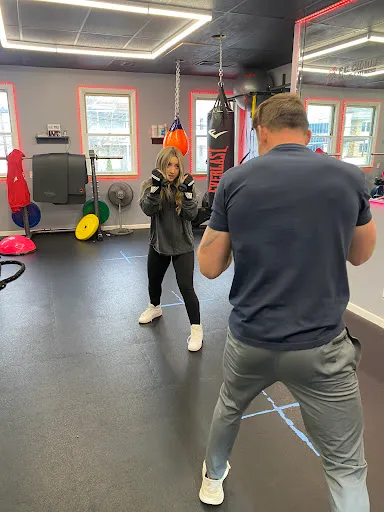
Toner Boxing operates in Staten Island with a training style centered on traditional boxing mechanics, structured repetition, and steady conditioning work. The gym holds a 5.0 rating from a solid review base, reflecting consistent coaching standards and a loyal mix of recreational members and competitive trainees.
Training sessions begin with controlled warm-ups that emphasize coordination and posture. Jump rope rounds are used to build rhythm, but coaches focus heavily on efficiency—clean foot placement, relaxed shoulders, and steady breathing. Small corrections happen early, especially around balance shifts and guard positioning, before athletes move into higher-intensity work.
Shadowboxing is treated as a technical discipline rather than a filler activity. Fighters rotate through specific constraints such as jab-only rounds, defensive movement rounds without punching, and counter-focused rounds where every attack must be preceded by a slip, pivot, or step-out. Coaches frequently stop athletes to correct stance alignment or hand positioning, reinforcing precision over output.
Bag work focuses on repetition with purpose. Early rounds reinforce straight-line fundamentals—jab, cross, and simple combinations executed with strict form. As training progresses, combinations expand into layered sequences that include body shots, hooks, and defensive exits. A consistent coaching demand is movement after every combination, preventing fighters from standing still in front of the bag.
Mitt training is fast, reactive, and correction-heavy. Coaches change timing unexpectedly, forcing fighters to adapt mid-sequence. A single round may shift from offensive combinations into defensive counters or rhythm breaks that require immediate adjustment. Fighters are trained to recognize openings rather than rely on memorized patterns, building responsiveness under pressure.
Sparring follows a structured progression. Beginners focus on technical sparring with light contact, emphasizing distance management and defensive awareness. Intermediate fighters move into controlled scenarios such as corner work, rope pressure situations, and controlled exchanges in tight space. Advanced sparring introduces more intensity, but coaches remain active, frequently pausing action to correct habits or adjust strategy.
Conditioning is integrated into all training phases. Fighters alternate between striking rounds and functional exercises such as medicine ball slams, explosive push-ups, core rotations, and sprint intervals. The goal is maintaining clean mechanics under fatigue rather than separating fitness from skill work.
The gym environment is disciplined but accessible. Multiple athletes train simultaneously in shared space, but rotations are structured to avoid chaos. Coaches circulate constantly, giving short, direct instructions and immediate corrections. Beginners and advanced fighters train side by side with scaled expectations.
Equipment includes heavy bags, speed bags, double-end bags, and open floor space for footwork and agility drills. Every station supports repetition with variation, keeping training structured and continuous.
Toner Boxing builds fighters through repetition, controlled intensity, and constant reinforcement of fundamentals under fatigue.
BreakThru Boxing and Fitness (Albany)
5.0 stars (91 reviews)
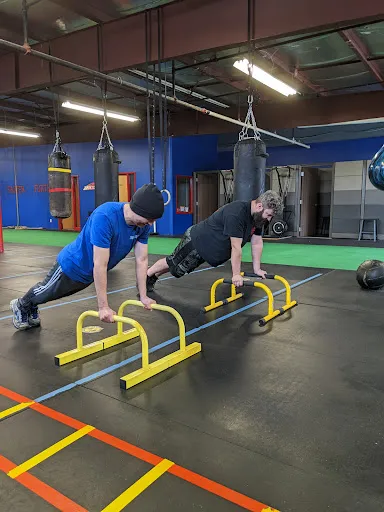
BreakThru Boxing and Fitness operates in Albany with a training approach built around structured boxing development, performance conditioning, and steady progression across skill levels. The gym holds a 5.0 rating from a strong review base, reflecting consistent coaching standards and a training environment that balances recreational fitness with serious fight preparation.
Training begins with controlled warm-ups that focus on movement quality rather than intensity. Jump rope rounds establish rhythm, but coaches emphasize efficiency: relaxed shoulders, steady cadence, and balanced foot transitions. Early corrections target stance width, guard position, and head alignment before athletes move into more demanding work.
Shadowboxing is used as a core teaching tool. Fighters rotate through structured themes such as jab-only rounds for range discipline, defensive-only movement rounds for head movement and footwork control, and counter-focused rounds where offense must follow a defensive action. Coaches often pause athletes mid-round to adjust positioning or correct timing errors, reinforcing precision over volume.
Bag work emphasizes controlled repetition with incremental complexity. Early rounds focus on straight punches and basic combinations, executed with strict form. As rounds progress, fighters integrate hooks, body shots, and defensive exits such as pivots or roll-outs after combinations. Coaches consistently reinforce the habit of exiting angles instead of remaining static in front of the bag, reducing exposure in simulated exchanges.
Mitt training is fast-paced and reactive. Coaches change rhythm without warning, forcing fighters to adjust timing and decision-making on the spot. A round might shift from structured combinations into defensive counters or broken rhythm sequences. This unpredictability develops adaptability and improves recognition of openings under pressure.
Sparring follows a tiered system. Beginners participate in technical sparring with light contact and a focus on distance control and defensive awareness. Intermediate fighters enter scenario-based rounds such as ring control drills, pressure handling, and corner escapes. Advanced sparring introduces higher intensity but remains closely monitored, with coaches stepping in to correct patterns and reinforce strategy during breaks.
Conditioning is integrated into boxing work rather than separated. Fighters alternate between striking intervals and functional exercises such as medicine ball throws, explosive push-ups, core rotations, and sprint-based movements. The focus remains on maintaining technique under fatigue rather than maximizing raw output.
The gym environment is structured and performance-oriented. Multiple training stations run simultaneously, but rotations are tightly organized to prevent downtime. Coaches circulate continuously, delivering short, direct corrections and ensuring each athlete stays aligned with their technical goals.
Equipment includes heavy bags, speed bags, double-end bags, and open floor space for footwork drills and agility work. Each station is designed to reinforce repetition while introducing variation in timing and intensity.
BreakThru Boxing and Fitness builds fighters through disciplined repetition, structured progression, and consistent technical correction under fatigue.
Central Park Boxing | Upper West Side Personal Trainer (New York)
5.0 stars (86 reviews)
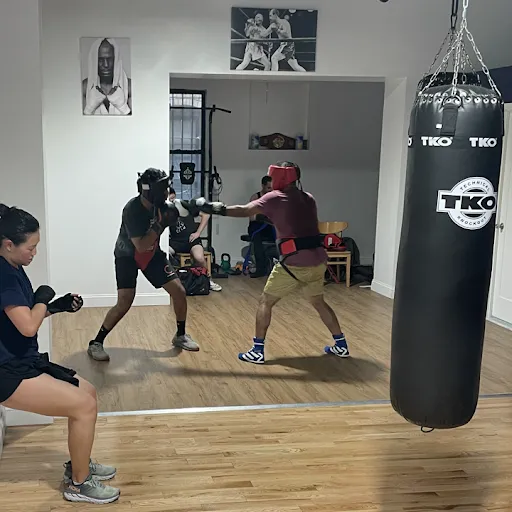
Central Park Boxing | Upper West Side Personal Trainer operates in Manhattan with a training model built around personalized boxing instruction, technical refinement, and conditioning tailored to individual goals. The gym holds a 5.0 rating from a strong review base, reflecting consistent coaching quality and a strong focus on one-on-one development rather than large class rotation.
Training is typically individualized from the start. Sessions begin with movement assessment rather than standard group warm-ups. Coaches evaluate stance stability, guard habits, and foot coordination through light shadowboxing and mobility drills. Corrections are immediate and specific, often focusing on small adjustments like heel pressure, shoulder relaxation, or hand recovery speed after punches.
Shadowboxing serves as a diagnostic tool. Fighters are assigned targeted rounds based on their needs—jab control for range issues, defensive-only rounds for head movement correction, or counter-focused rounds to improve timing and reaction speed. Coaches frequently interrupt to refine mechanics mid-round, ensuring that each repetition reinforces proper structure rather than ingrained mistakes.
Pad work is highly personalized. Unlike larger group formats, mitt sessions are tailored to individual weaknesses. One athlete may focus on tightening hook mechanics, while another works on counterpunch timing or defensive exits after combinations. Coaches adjust rhythm continuously, introducing pauses, tempo shifts, or unexpected counters to simulate real exchanges.
Bag work is used for both conditioning and technical correction. Fighters are assigned specific objectives such as maintaining balance through power shots, keeping chin position stable under fatigue, or integrating footwork exits after each combination. Rather than free-hitting, rounds are structured around precision targets that evolve as the athlete improves.
Sparring, when included, is controlled and purpose-driven. Many sessions use situational sparring formats such as working off the ropes, counter-only exchanges, or distance control rounds. Full sparring is reserved for athletes preparing for competition or demonstrating consistent technical discipline. Coaches often pause exchanges to adjust strategy or correct defensive gaps in real time.
Conditioning is integrated based on individual capacity. Exercises include jump rope variations, core strengthening circuits, medicine ball work, and short explosive intervals. The emphasis is on supporting boxing mechanics rather than general fatigue training. Conditioning volume is adjusted to match experience level and training goals.
The gym environment is quieter and more focused than high-volume group facilities. Sessions are often one-on-one or small group, allowing constant coaching interaction. Feedback is continuous, and adjustments are made throughout the session rather than after rounds conclude.
Equipment is simple and functional: focus mitts, a small selection of heavy bags, speed bags, and open floor space for footwork and mobility drills. The setup supports close coaching and uninterrupted correction cycles.
Central Park Boxing emphasizes precision, individualized correction, and technical clarity, building skill through direct feedback and controlled repetition.
TITLE Boxing Club Huntington (Huntington)
5.0 stars (86 reviews)
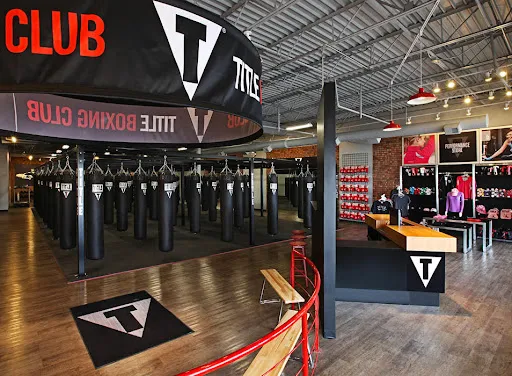
TITLE Boxing Club Huntington operates in Huntington with a structured boxing-fitness model that blends traditional boxing movements with high-intensity conditioning circuits. The gym holds a 5.0 rating from a strong review base, reflecting consistent class delivery and a format designed for both fitness-focused members and those interested in learning boxing fundamentals.
Training sessions run on a timed circuit structure. Classes typically start with a guided warm-up built around jump rope variations, dynamic stretching, and light shadowboxing. The emphasis is on preparing the body for sustained output—shoulders loosened, hips activated, and footwork engaged before higher-intensity rounds begin.
Shadowboxing is instructor-led and rhythm-based. Coaches call out combinations and defensive movements in real time, forcing the class to react immediately rather than plan ahead. Basic sequences like jab-cross-hook are expanded with defensive layers such as slips, rolls, and pivots. The focus stays on coordination, timing, and maintaining form while moving continuously.
Heavy bag rounds are the core of the workout. Participants rotate through timed intervals where combinations are performed at high volume. Early rounds focus on simple striking mechanics, while later rounds introduce more complex sequences that combine offense with movement resets. Coaches regularly cue posture corrections—hands returning to guard, chin position, and stance stability under fatigue.
Conditioning is tightly integrated into every session. Between bag rounds, participants perform bodyweight circuits including push-ups, squats, core rotations, and explosive movements like burpees or jump variations. These intervals are designed to maintain elevated heart rate while reinforcing punching endurance and muscular stamina.
Mitt work is often incorporated in smaller group settings or specialty sessions. Coaches use pads to refine technique, focusing on timing, accuracy, and clean combination execution. Feedback is immediate, with corrections delivered between short bursts rather than long explanations.
Sparring is not always central to the experience, but when offered, it is heavily controlled and technique-focused. Participants engage in light-contact drills or structured partner work that emphasizes distance awareness, defense, and controlled exchanges rather than competitive pressure.
The gym environment is energetic and group-oriented. Classes run in synchronized waves, with multiple participants working through the same structure simultaneously. Coaches circulate through the floor, giving brief corrections and keeping intensity consistent across the room.
Equipment includes heavy bags, speed bags, floor space for conditioning drills, and timing systems that structure the class flow. The layout supports continuous movement without downtime, keeping participants active throughout the session.
TITLE Boxing Club Huntington emphasizes accessibility and consistency, delivering boxing-inspired workouts that prioritize fitness, rhythm, and structured repetition over competitive training depth.
Explore More Gyms in New York
Browse all boxing gyms in New York with filters by city and training style.
View All New York Gyms