Best Boxing Gyms in Florida
The top-rated boxing gyms in Florida, ranked by rating and review count. Click any gym to view full details, contact info, and specialties.
IntensityX3 Fitness & Kickboxing (Boca Raton)
5.0 stars (718 reviews)

IntensityX3 builds its identity around high-output striking sessions that combine fitness conditioning with combat technique. The gym sits in Boca Raton, where training culture leans toward structured programs and measurable progression. Classes revolve around kickboxing, boxing fitness, MMA fundamentals, and Muay Thai striking, with each discipline feeding into a broader conditioning system rather than isolated practice.
The training floor runs on constant motion. Heavy bags line the walls, paired with open mat space for pad work, footwork drills, and circuit stations. Sessions rarely stand still for long stretches. A round might shift from pad combinations to core conditioning to bag intervals without extended downtime. That rhythm shapes endurance quickly, especially for beginners who arrive with limited striking experience.
Coaching at IntensityX3 emphasizes repetition under fatigue. Techniques are introduced in short segments, then immediately tested through rounds that mimic fight pacing. A jab-cross-kick sequence becomes a conditioning drill once heart rates climb. This approach builds familiarity with combinations under stress rather than isolating technique in slow demonstration alone.
Kickboxing carries the strongest presence in the schedule. Classes focus on stance discipline, kick mechanics, and combination flow. Striking angles get reinforced through pad holding, where coaches correct balance, guard position, and hip rotation. Boxing sessions strip things back to hand speed, defensive movement, and timing rather than multi-limb coordination. MMA classes connect both striking and basic clinch control, giving students exposure to transitions without overwhelming them with grappling depth.
Muay Thai elements show up through knee strikes, elbows, and clinch positioning. These segments usually appear later in training sessions after foundational striking work. Clinch drills emphasize posture control and balance disruption, often paired with resistance work to simulate live pressure.
Conditioning forms the backbone of the gym's structure. Expect sled pushes, bodyweight circuits, battle ropes, and explosive movement drills placed between technical rounds. The goal is not separation between "fitness" and "skill," but overlap between them. Fatigue becomes part of technique training rather than a separate phase.
The gym attracts a wide mix of members. Some arrive for fitness-driven kickboxing sessions, focusing on weight loss and endurance. Others train with fight ambitions, using the same classes but pushing intensity and sparring exposure. The shared space creates a layered environment where beginners and advanced students work through similar formats at different depths.
Sparring remains controlled and structured. Technical sparring takes priority over aggressive exchanges, especially in early development stages. Coaches set rounds with specific constraints such as jab-only, kick-only, or defense-focused objectives to sharpen reaction skills.
IntensityX3's appeal sits in its consistency. Training feels structured, repetitive, and physically demanding in a predictable way. Each session reinforces similar movement patterns, building conditioning and striking familiarity through repetition rather than variety for its own sake.
5.0 stars (530 reviews)

Instinct Muay Thai centers its training around traditional Thai striking with a modern fight-sport structure layered on top. The gym sits in Miami, where combat sports gyms often blend recreational fitness classes with serious fight preparation. Instinct leans toward the latter while still keeping entry points open for beginners who want structured striking training.
Muay Thai defines the core system. Training builds around eight-point striking: punches, kicks, elbows, and knees, with heavy attention placed on balance, timing, and clinch control. Classes typically begin with repetitive pad rounds that sharpen technique through volume. Students cycle through combinations that escalate in complexity, moving from simple jab-cross-kick sequences to multi-layered striking chains that end in clinch entries or defensive exits.
Pad work functions as the main teaching tool. Coaches hold pads in rhythm with live movement, forcing students to adjust distance constantly. The emphasis sits on accuracy under motion rather than stationary repetition. A common drill involves stepping forward into a kick combination, immediately transitioning into defense against counter strikes, then resetting without breaking stance discipline.
The clinch receives sustained attention. Unlike many fitness-oriented striking gyms, clinch work at Instinct operates as a full training segment rather than an occasional drill. Students work on posture control, inside hand positioning, off-balancing techniques, and knee strikes from tied positions. Resistance increases gradually, moving from cooperative drilling into controlled live exchanges where balance and grip strength decide position.
Boxing training runs parallel to Muay Thai. Hand speed, head movement, and angle creation form the base of these sessions. Coaches push footwork patterns that prevent linear movement habits, forcing lateral exits and pivot-based defense. Combinations are taught with emphasis on exit strategy, not just entry. Every offensive sequence includes a planned defensive reset.
Kickboxing appears as a bridge discipline for newer students. It removes some of the complexity of clinch fighting while still introducing full-body striking coordination. These classes often attract beginners or fitness-focused members who want striking conditioning without immediate immersion into full Muay Thai structure.
MMA training at Instinct connects striking with basic grappling awareness. Sessions introduce takedown defense, cage positioning, and transition control. Rather than splitting disciplines sharply, MMA classes layer them together so students learn how striking changes once clinch or ground threats appear.
Conditioning is integrated into technical work rather than separated into distinct fitness blocks. High-repetition pad rounds, sprint intervals between drills, and explosive bag work appear throughout classes. Fatigue becomes a constant variable, designed to test technique retention under stress.
Sparring culture stays structured. Early rounds focus on controlled technical exchanges with limited power. Coaches often assign constraints such as single-discipline sparring or defensive-only rounds. More advanced students progress into freer exchanges that include clinch entries and Muay Thai scoring awareness.
The training environment draws a mix of hobbyists and fighters. Some train for fitness, attracted by the intensity and full-body conditioning. Others prepare for amateur or professional bouts, using structured fight camps that build toward competition timelines. Both groups share the same floor, but training intensity shifts based on experience level and coaching direction.
Instinct Muay Thai's identity rests on disciplined repetition and technical consistency. Striking patterns get reinforced daily, with small corrections accumulating over time rather than dramatic changes in approach. The result is a training environment where progress comes from volume, structure, and repeated exposure to live resistance.
5.0 stars (510 reviews)
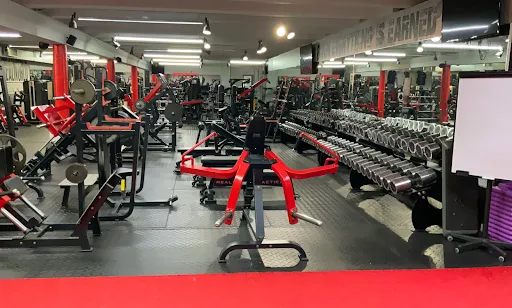
KO ZONE operates as a straight-to-the-point striking gym in Miami, built around boxing, kickboxing, and MMA fundamentals. The space prioritizes repetition, pad work, and conditioning rounds that keep students active from start to finish. Everything centers on movement efficiency and striking output rather than long technical lectures or segmented theory.
Boxing forms the base layer. Classes focus on stance discipline, jab control, and combinations built around simple, repeatable patterns. Coaches push constant head movement and angle changes, forcing students to avoid linear exchanges. Heavy bag rounds reinforce rhythm, with short bursts of combinations followed by defensive resets. The emphasis stays on keeping hands active while maintaining balance under fatigue.
Kickboxing expands the striking range. Kicks enter early in training sessions and get integrated into boxing combinations rather than treated as separate skill blocks. Students drill low kicks, body kicks, and teep-style push kicks in combination chains that end in exits or defensive pivots. The goal is clean transitions between hands and legs without breaking stance integrity.
MMA classes introduce grappling awareness without shifting the gym away from its striking identity. Training includes clinch entries, cage positioning, and basic takedown defense. Students learn how to keep fights standing when striking is the goal, along with how to survive and reset when clinched or pressured. Ground work appears in controlled segments, mostly focused on positional awareness rather than extended rolling sessions.
Muay Thai elements show up through clinch work and knee strikes. Sessions often include partner drills where balance disruption and posture control matter more than speed. Fighters learn how to control distance inside tight exchanges, especially when punches transition into close-range fighting.
Self-defense training appears in structured scenarios rather than abstract technique lists. These sessions simulate real-world situations like grabbing, pressure against walls, or sudden close-range encounters. The focus stays on immediate response rather than extended exchanges.
Conditioning runs through every class. KO ZONE uses high-rep pad rounds, timed bag intervals, and circuit-style bodyweight training between technical segments. Fatigue is part of the structure, not an added layer at the end. A typical session shifts between striking rounds and short bursts of conditioning work that keep heart rates elevated.
Sparring stays controlled and progression-based. Beginners start with light technical rounds that emphasize distance and timing. More experienced students move into situational sparring, such as boxing-only rounds or kick-restricted exchanges. Full sparring remains structured with coaching interruptions to correct habits in real time.
The gym environment brings together fitness-focused members and aspiring fighters. Some train for conditioning and stress relief, using striking classes as structured workouts. Others prepare for amateur bouts, following more intense schedules with increased sparring frequency and technical refinement.
KO ZONE's identity comes from simplicity and repetition. The training doesn't shift between many systems or philosophies. Instead, it builds striking competence through consistent drilling, repeated exposure to pressure, and steady conditioning that ties everything together.
John Wai Martial Arts (Plantation)
5.0 stars (506 reviews)
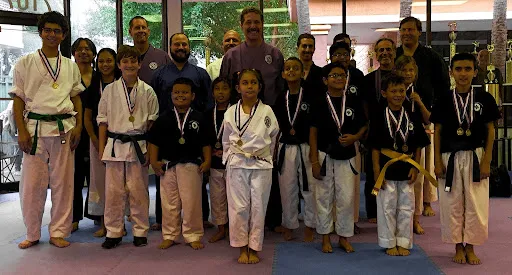
John Wai Martial Arts in Plantation runs like a hybrid martial arts academy where striking, MMA fundamentals, and self-defense training share the same space. The gym doesn't lean toward a single rule set. Instead, it blends Muay Thai, kickboxing, and mixed martial arts principles into structured classes built around control, timing, and adaptability.
Striking sessions focus heavily on Muay Thai and kickboxing mechanics. Students work through pad combinations that emphasize balance, rotation, and clean transfer of weight between punches and kicks. The coaching style pushes precision over volume. A round might repeat the same combination multiple times with small corrections in stance width, guard position, or hip alignment until the movement stabilizes under fatigue.
Muay Thai training introduces clinch control early. Instead of treating clinch as an advanced phase, it becomes part of regular drilling. Students practice collar ties, posture breaks, and knee strikes while maintaining balance under resistance. The goal sits on learning how to stay composed in close range rather than rushing into force-based exchanges.
Kickboxing classes widen the striking rhythm. These sessions focus on flow between hands and legs, building combinations that move across levels: head, body, and legs. Footwork patterns matter as much as offense. Coaches emphasize lateral exits after combinations, forcing students to avoid standing still after striking.
MMA training at John Wai connects striking to grappling awareness in a direct way. Sessions often begin with stand-up exchanges and transition into clinch control or takedown defense scenarios. Students learn how posture breaks lead into grappling exchanges and how to recover position under pressure. The ground work stays functional, centered on survival positions, escapes, and resets rather than extended technical rolling.
Self-defense instruction adds another layer. These classes focus on situational awareness, boundary setting, and quick-response techniques for close-contact scenarios. Training often includes wall-based drills, wrist control escapes, and reactions to sudden grabs. The emphasis stays on simplicity under stress rather than layered technique chains.
Conditioning appears throughout training rather than as a separate segment. Pad rounds run at high pace, followed by short bodyweight circuits or explosive movement drills. The structure forces students to maintain technique quality while fatigued, especially during longer striking rounds where pace increases without extended rest periods.
Sparring follows a structured progression system. Beginners work controlled rounds with limited power and specific goals, such as defensive movement or jab control. Intermediate and advanced students participate in situational sparring where constraints change each round. A session might include boxing-only exchanges, clinch-start rounds, or kick-restricted scenarios designed to isolate specific skills.
The gym attracts a wide mix of students. Some come for fitness-based striking classes, using training as structured conditioning with clear progression. Others train for amateur competition, building toward fights through more intense sparring cycles and technical refinement. Both groups share the same floor, but intensity adjusts based on experience and coaching direction.
John Wai Martial Arts stands out through its blended structure. Rather than separating disciplines into isolated programs, it integrates them into a continuous system where striking, clinch work, and self-defense feed into each other through repetition and controlled progression.
The Grounds MMA Academy (Bonita Springs)
5.0 stars (342 reviews)
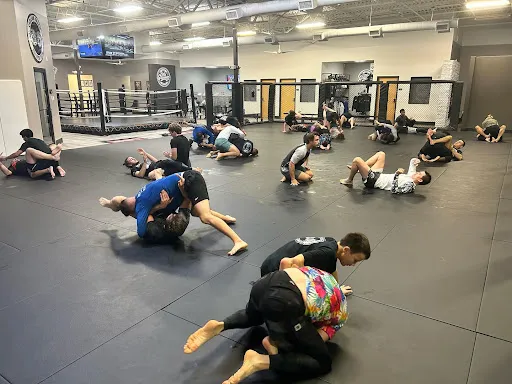
The Grounds MMA Academy in Bonita Springs operates as a full-spectrum fight gym where MMA serves as the central framework and every other discipline supports it. Boxing, kickboxing, Muay Thai, and fitness conditioning all feed into mixed martial arts performance rather than standing as separate tracks. The structure suits both recreational students and fighters preparing for amateur and professional competition.
Striking training starts with boxing fundamentals. Sessions focus on stance stability, jab control, and combination layering built around timing rather than speed alone. Coaches correct small details constantly—hand return position, shoulder alignment, and foot placement after each punch. Heavy bag rounds reinforce rhythm, but pad work carries most of the technical instruction, with coaches adjusting distance and angles in real time.
Kickboxing expands striking into full-body coordination. Kicks get introduced early in combinations rather than as isolated techniques. Students train low kicks to disrupt stance, body kicks for scoring and damage, and head kicks for advanced setups. The goal is smooth transitions between hands and legs without losing defensive structure. Footwork drills often accompany these sessions, pushing lateral movement and angle exits after exchanges.
Muay Thai adds close-range control and clinch integration. Training focuses on knee strikes, elbow positioning, and posture manipulation inside tied positions. Clinch rounds are active and resistance-based, not static drilling. Students learn how to break balance, control head position, and create openings for strikes while maintaining stability under pressure.
MMA classes combine striking and grappling into continuous sequences. Sessions often begin on the feet, transition into clinch work, and end in takedown or ground scenarios. The emphasis sits on transitions—how one phase of combat flows into another. Students learn to defend takedowns after striking exchanges and recover position quickly when grounded.
Grappling segments include positional control, escapes, and submission awareness. Rather than long theoretical instruction, coaches build repetition through live positional rounds. Students work from common MMA scenarios such as cage pressure, half guard survival, and guard recovery under strikes.
Conditioning is built directly into training flow. High-intensity pad rounds, timed bag intervals, and circuit-based drills appear between technical segments. Fatigue becomes a constant training variable, especially in MMA classes where grappling and striking rounds stack back-to-back. The goal is maintaining decision-making quality under exhaustion.
Sparring follows a structured progression system. Beginners work controlled rounds with technical limits, focusing on distance control and defense. Intermediate students move into situational sparring, such as cage-start positions or boxing-only rounds. Advanced fighters engage in full MMA sparring with coaching feedback between rounds to adjust tactics and pacing.
The gym environment supports both hobby training and competition preparation. Fitness-oriented members use classes for structured conditioning and skill learning without fight pressure. Fighters follow more detailed schedules, including sparring cycles and fight camp planning leading into scheduled bouts.
The Grounds MMA Academy stands out through its integrated MMA structure. Instead of treating disciplines separately, it connects them through continuous transitions, building fighters who can shift between striking, clinch, and ground phases without losing control of pace or position.
BlackSmith Jiu Jitsu (Niceville)
5.0 stars (245 reviews)
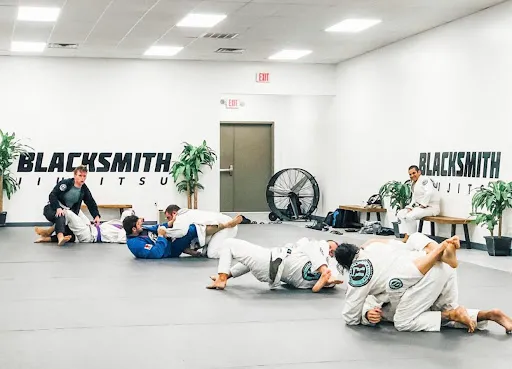
BlackSmith Jiu Jitsu in Niceville centers its training on grappling, with MMA as the broader competitive outlet. The gym builds everything from ground control upward—position first, submissions second, and striking awareness added only where MMA demands it. The environment feels focused, with drilling and live rounds taking priority over long lectures or segmented fitness blocks.
Brazilian Jiu Jitsu forms the backbone. Classes revolve around positional hierarchies: guard, half guard, side control, mount, and back control. Students spend large portions of training repeating escapes and transitions until movement becomes automatic under pressure. Coaches emphasize small technical details such as hip angle changes, elbow placement during frames, and timing when recovering guard.
Top control receives strong attention. From mount or side control, students work on maintaining pressure without overcommitting. The training focuses on balance distribution and patience rather than rapid submission attempts. Controlled resistance rounds teach how to hold position while an opponent actively escapes, forcing adjustments in base and weight placement.
Guard work focuses on retention and recovery. Students drill open guard retention, closed guard control, and transitions into sweeps or stand-ups. The goal is not just offense from guard but staying functional when underneath pressure. Repetition builds familiarity with uncomfortable positions until composure becomes natural.
Submission training appears in structured sequences rather than isolated techniques. Arm locks, chokes, and leg attacks get taught through entry chains—how one control position leads into another. Students learn to recognize timing windows rather than forcing submissions through strength.
MMA integration adds a practical layer. While BlackSmith Jiu Jitsu is grappling-first, MMA training introduces striking awareness on the ground and during transitions. Students learn how punches change guard behavior, how to defend when posture is broken, and how to adjust grips when strikes are present.
Takedown work appears in controlled formats. Wrestling entries, clinch control, and balance disruption drills help bridge standing exchanges into ground control. The focus stays on safe, repeatable entries rather than explosive takedowns alone.
Conditioning comes through continuous sparring and drilling volume. Long rolling rounds build endurance under pressure, especially when fatigue accumulates across multiple positional sequences. Grip strength and core endurance become natural byproducts of repeated grappling exchanges.
Sparring, or rolling, defines most live training. Beginners start with positional sparring—specific starting positions like guard or side control with limited objectives. More experienced students progress into full rounds where strategy, timing, and endurance all combine. Coaches often pause rounds briefly to correct positioning or reset scenarios.
The student mix includes hobby practitioners, competitors, and MMA-focused athletes. Some train purely for fitness and self-defense, drawn to the structured nature of grappling. Others prepare for competition, focusing on technical refinement and live resistance cycles that simulate match conditions.
BlackSmith Jiu Jitsu builds its identity through repetition and positional control. Progress comes from accumulating time in dominant and defensive positions until reactions become automatic and efficient under pressure.
New World Defense & Fitness - Gym, Krav Maga, Boxing, BJJ (Fort Myers)
5.0 stars (241 reviews)
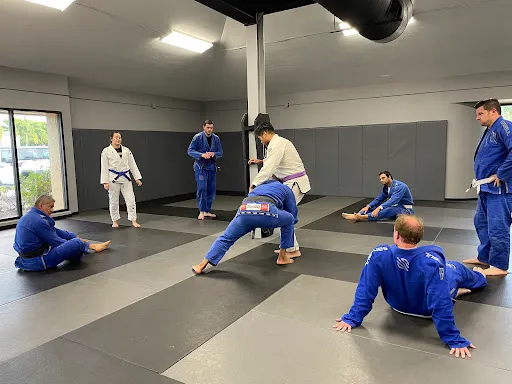
New World Defense & Fitness in Fort Myers builds its training around practical combat skills across multiple disciplines. Krav Maga, boxing, Brazilian Jiu Jitsu, kickboxing, and MMA all sit under one roof, but the common thread is application under pressure. Sessions focus less on isolated technique collection and more on how skills hold up in unpredictable, high-stress situations.
Krav Maga drives the self-defense identity. Training emphasizes immediate responses to grabs, strikes, and close-range threats. Drills often start from realistic scenarios such as wall pressure, wrist control, or sudden clinch contact. Students learn fast disengagement, target striking, and escape positioning rather than extended exchanges. The goal is function under stress, not form perfection.
Boxing classes form the striking foundation. Sessions focus on clean punching mechanics, guard discipline, and movement under pressure. Coaches reinforce head movement and angle creation, pushing students to avoid static exchanges. Pad rounds are fast-paced, often built around short combinations followed by defensive resets that force constant motion.
Kickboxing expands striking into full-body coordination. Kicks enter combinations early, with emphasis on balance after impact and quick exits. Low kicks, body kicks, and teep-style pushes appear in structured sequences that build rhythm and timing. Students learn to transition between punches and kicks without losing defensive awareness.
Muay Thai elements appear through clinch work and close-range striking. Knees, elbows, and posture control inside tied positions get trained in controlled resistance rounds. Clinch training often focuses on breaking opponent balance and creating openings rather than holding static positions.
Brazilian Jiu Jitsu anchors the ground game. Classes focus on positional control, escapes, and submissions under resistance. Students work through guard recovery, side control escapes, and top pressure maintenance. Live rolling forms a major part of training, with intensity scaling based on experience level.
MMA sessions connect all disciplines. Training often begins standing, shifts into clinch exchanges, and finishes on the ground. Students learn transitions—how a punch entry leads into a takedown attempt, or how a failed strike opens grappling opportunities. The emphasis stays on continuity between phases rather than treating them as separate systems.
Conditioning is embedded throughout classes. High-rep pad rounds, circuit drills, and grappling intervals keep intensity high. Fatigue is treated as part of training rather than an add-on, forcing students to maintain decision-making under physical stress.
Sparring varies by discipline. Striking sparring remains controlled and technical at lower levels, with constraints such as jab-only rounds or restricted kick exchanges. Grappling rounds progress from positional sparring into full rolling. MMA sparring integrates both, often with coaching interruptions to correct timing and positioning.
The gym attracts a broad mix of members. Some train for fitness and self-defense, using classes as structured workouts with practical skills. Others pursue competitive goals in MMA or grappling, following more intense training cycles and sparring schedules.
New World Defense & Fitness stands out through its practical focus. Every discipline feeds into real-world application, with repeated exposure to pressure-based scenarios that test both physical skill and composure.
Renzo Gracie Jiu Jitsu & Training Center (Sunrise)
5.0 stars (236 reviews)
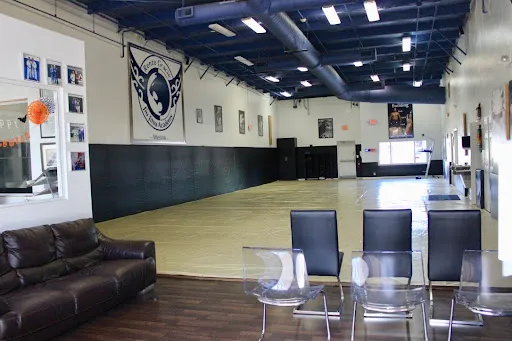
Renzo Gracie Jiu Jitsu & Training Center in Sunrise runs on a structured Brazilian Jiu Jitsu foundation built under the Renzo Gracie lineage, with striking and MMA layers added for practical application. The gym treats grappling as the core system, then builds striking defense, clinch work, and fight transitions around it. Training stays organized, with clear technical progression and consistent drilling standards across classes.
Brazilian Jiu Jitsu dominates the schedule. Classes follow a steady pattern: technical instruction, positional drilling, then live rolling. Positions such as guard, half guard, side control, mount, and back control receive repeated focus until movement becomes automatic. Coaches emphasize efficiency in transitions rather than strength-based control. Small adjustments in hip angle, grip placement, and weight distribution often decide whether a position holds or breaks.
Top pressure work is a defining part of training. Students learn to maintain control without overcommitting weight or losing balance. Passing guard becomes a structured process built around timing, posture control, and incremental advancement rather than rushing through positions. The goal is consistent control under resistance, not isolated submissions.
Guard work receives equal attention. Closed guard, open guard, and half guard systems are drilled with emphasis on retention and recovery. Students spend significant time escaping bad positions before advancing to offense. Sweeps and submissions appear as extensions of control rather than standalone techniques. Repetition under pressure builds familiarity with defensive survival before attacking options open up.
No-gi sessions introduce faster pacing and reduced grip reliance. Movement becomes more dynamic, with emphasis on body positioning, underhooks, and frame control. Without the gi, students rely more on timing and spatial awareness, which translates directly into MMA contexts.
MMA training integrates striking with grappling transitions. Sessions often begin with stand-up exchanges before moving into clinch control or takedown sequences. Students learn how strikes influence grappling entries and how to defend when posture breaks during exchanges. Ground-and-pound awareness appears in controlled drills, teaching defense under pressure and safe recovery from disadvantageous positions.
Kickboxing and Muay Thai elements appear in dedicated striking classes. These sessions focus on combinations, distance control, and defensive movement. Muay Thai clinch work introduces knees, elbows, and posture manipulation, especially when transitioning from striking to grappling range. Kickboxing drills emphasize rhythm and continuous movement between offense and defense.
Self-defense training adds practical scenarios. Students work through close-range encounters, wall pressure situations, and grip escapes. The focus sits on simple, repeatable responses rather than complex sequences. Awareness and positioning play a major role, reinforcing how to avoid disadvantageous engagements before they escalate.
Pro training sessions cater to fighters preparing for competition. These classes increase intensity, extend sparring rounds, and focus heavily on game planning. Coaches break down opponent styles, refine transitions, and adjust pacing strategies based on upcoming fights.
Conditioning is embedded into technical work. Rolling rounds build endurance naturally, while striking sessions include high-output pad work and controlled fatigue drills. Strength and conditioning elements appear through movement-based circuits and explosive drills that reinforce grappling and striking endurance.
Sparring structure follows experience level. Beginners start with positional rounds that limit variables and focus on specific escapes or control goals. Advanced students progress into full rolling sessions and MMA sparring that combines all phases of combat. Coaches frequently pause exchanges to correct positioning, timing, or defensive habits.
The training environment reflects a traditional academy structure. Discipline, repetition, and incremental improvement define the pace of progress. Students range from hobby practitioners building fitness and self-defense skills to dedicated competitors refining systems for high-level grappling and MMA performance.
Renzo Gracie Jiu Jitsu & Training Center builds its identity through consistency in grappling fundamentals, with striking and MMA elements reinforcing rather than replacing its core Brazilian Jiu Jitsu structure.
Coastal Jiu jitsu (Miramar Beach)
5.0 stars (207 reviews)
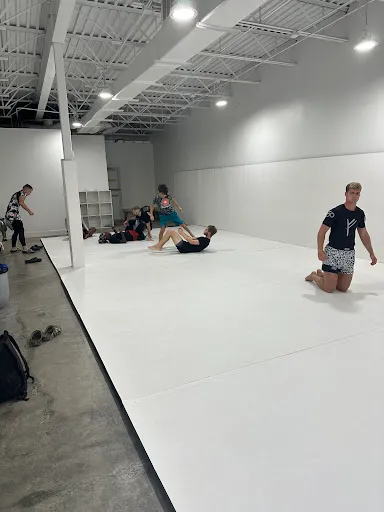
Coastal Jiu Jitsu in Miramar Beach operates as a grappling-led academy with a strong crossover into striking and MMA training. The gym builds its identity around Brazilian Jiu Jitsu fundamentals, then layers boxing and Muay Thai elements to create a more complete combat skill set. Training stays compact and structured, with a focus on repetition, live resistance, and controlled progression.
Brazilian Jiu Jitsu anchors most of the schedule. Classes move through a consistent format: technique demonstration, positional drilling, and live rolling. Students cycle through core positions like guard, half guard, side control, mount, and back control until transitions become instinctive. Coaches emphasize efficient movement rather than strength, pushing small technical adjustments that improve control and escape success.
Top control work focuses on maintaining pressure without losing balance. Students learn to stabilize dominant positions through weight distribution, hip placement, and grip control. Passing guard becomes a methodical process, built on timing and posture rather than speed or force. Repetition under resistance shapes the ability to stay composed when an opponent actively defends.
Guard training builds survival first, offense second. Students drill retention from open guard and recovery from compromised positions. Sweeps and submissions appear as extensions of control rather than isolated techniques. The emphasis stays on staying active from bottom positions, creating angles for escape or reversal instead of absorbing pressure.
No-gi training adds speed and positional fluidity. Without grips from the gi, students rely on underhooks, head positioning, and body alignment. Scrambles become more frequent, requiring faster decision-making and sharper transitions between offense and defense.
Striking integration introduces boxing fundamentals and Muay Thai concepts. Boxing sessions focus on hand combinations, defensive movement, and timing. Students work on clean jab-cross setups, head movement, and footwork patterns that create angles after exchanges. Muay Thai elements bring in kicks, knees, and clinch control, especially in close-range scenarios where grappling and striking overlap.
Clinch work acts as a bridge between striking and grappling. Students practice controlling posture, breaking balance, and transitioning from strikes into takedown entries. Knee strikes and short-range control drills reinforce how positioning changes once distance closes.
MMA training combines all phases of combat into continuous rounds. Sessions often start on the feet, shift into clinch exchanges, and transition to ground positions. Students learn how striking affects grappling entries and how to defend when caught in transitions. Ground-and-pound awareness appears in controlled settings, emphasizing defense, framing, and safe recovery.
Conditioning is built into the structure of training. Rolling rounds create sustained endurance demands, while striking sessions use high-repetition pad work and interval drills. Fatigue becomes a constant factor, forcing students to maintain technique under physical stress.
Sparring is scaled by experience. Beginners focus on positional sparring with limited objectives such as guard escapes or guard passing. Advanced students engage in full rolling sessions and MMA rounds where timing, strategy, and endurance combine. Coaches frequently pause action to adjust positioning and correct recurring mistakes.
The gym atmosphere supports both recreational training and competition preparation. Some students train for fitness and self-defense, while others prepare for tournaments or MMA bouts. Both groups share the same technical foundation but differ in intensity and sparring frequency.
Coastal Jiu Jitsu stands out for its balance between structured grappling development and practical striking integration, creating a training environment where transitions between stand-up and ground fighting feel natural rather than separate systems.
Deland Boxing & Fitness (DeLand)
5.0 stars (156 reviews)
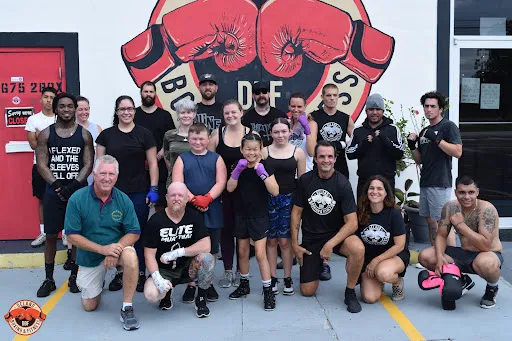
Deland Boxing & Fitness in DeLand focuses tightly on traditional boxing, built around repetition, discipline, and straightforward skill development. The gym strips training down to core fundamentals—stance, footwork, defense, and punch accuracy—then reinforces them through consistent rounds of drilling and bag work. Everything stays centered on boxing mechanics rather than cross-discipline blending.
Boxing classes anchor the entire schedule. Beginners start with stance positioning, guard discipline, and basic punch sequencing. Coaches emphasize jab control as the foundation of offense, using it to manage distance and set up combinations. Crosses, hooks, and uppercuts get introduced gradually, with constant correction on form, shoulder rotation, and hand recovery after each strike.
Footwork receives sustained attention. Students drill lateral movement, pivots, and forward-backward transitions to maintain balance under pressure. The goal is controlled movement rather than speed alone. Coaches often reset students mid-round to correct stance width or alignment before continuing drills.
Heavy bag work plays a major role in conditioning and technique reinforcement. Rounds focus on sustained combinations rather than isolated strikes. Students learn to maintain rhythm across multiple rounds while keeping guard discipline intact. Bag intervals often include short bursts of high output followed by defensive movement resets.
Pad work introduces timing and reaction. Coaches simulate counter-striking scenarios, forcing students to adjust distance and defend immediately after combinations. These rounds develop awareness of openings and defensive responsibility after each attack sequence.
Defensive training is a consistent focus. Slips, rolls, parries, and blocks are drilled repeatedly until they become reflexive. Students work on reading punches early, not reacting late. Head movement drills are paired with footwork to ensure defensive actions do not compromise balance or positioning.
Sparring is structured and progressive. Beginners participate in light technical rounds where emphasis stays on movement, defense, and controlled exchanges. Power is limited, and rounds often include specific goals such as jab-only exchanges or defense-focused sessions. More advanced boxers engage in freer sparring with greater pace and strategy, while still under coaching supervision to correct habits in real time.
Conditioning is embedded into every session. High-rep bag rounds, calisthenics circuits, and interval-based drills push endurance while maintaining technical focus. Fatigue is used to reinforce discipline, ensuring students maintain form even when energy levels drop.
The gym environment is straightforward and work-focused. It attracts individuals training for fitness, self-defense, or amateur boxing competition. The culture emphasizes consistency and effort over complexity, with progress built through repetition and steady refinement rather than varied training systems.
Deland Boxing & Fitness stands out for its commitment to traditional boxing fundamentals. Training remains direct and structured, building competence through repetition, controlled sparring, and a strong focus on technical discipline across every session.
Explore More Gyms in Florida
Browse all boxing gyms in Florida with filters by city and training style.
View All Florida Gyms